


 If you’ve ever owned an electric car, you know cold weather hits range hard. But most people miss a bigger truth: extreme cold also crushes EV charger efficiency. We see this question pop up all the time from fleet managers, business owners, and even homeowners: Why does my charger slow down in winter? And which EV charger manufacturers build gear that actually works in the cold?
We will break down exactly how low temperatures mess with EV chargers, what real-world efficiency drops look like, and which solutions actually fix the problem.
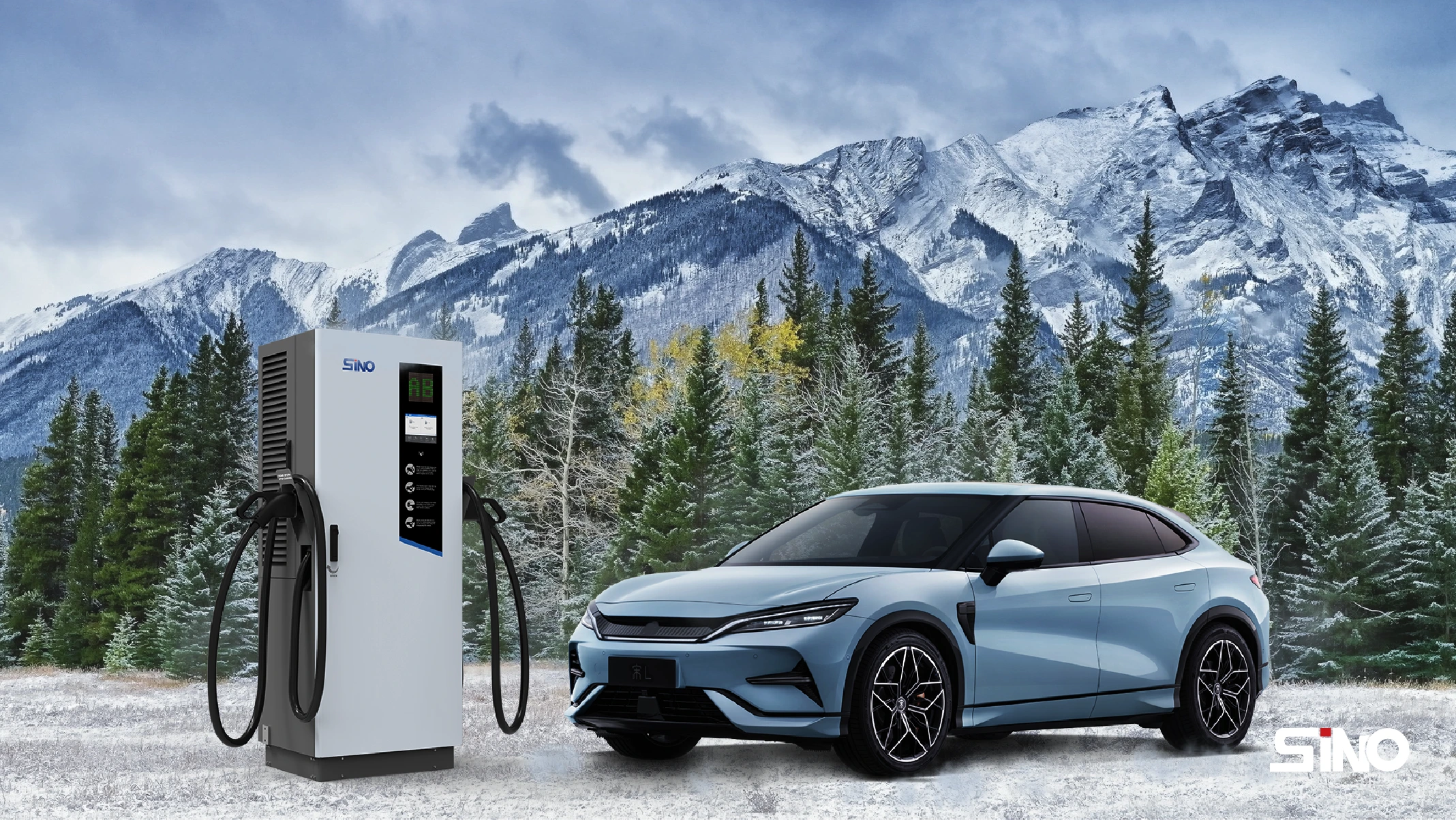
How Cold Temperatures Damage EV Charger Efficiency
Cold does not help electronics. Every part of an EV charger feels the cold — and performance drops fast.
Why Cold Air Reduces Charging Speed
When temperatures drop, internal resistance inside power modules goes up. Batteries in cars also get sluggish, so the charger has to work harder to push energy into a cold battery. And the result? EV charger efficiency takes a clear hit.
Usually, a 120kW EV DC fast charging station that hits full speed at 25℃ might only hit 60–80kW in -10℃. That’s not the car alone — the charger itself slows down. AC EV chargers also lose efficiency, but just more gradually. Coldness will thicken the internal components, strain circuits, and then extend charging times for daily drivers.
Real-World Efficiency Loss in Cold Climates
We will give you numbers so you can plan. Based on tests we trust:
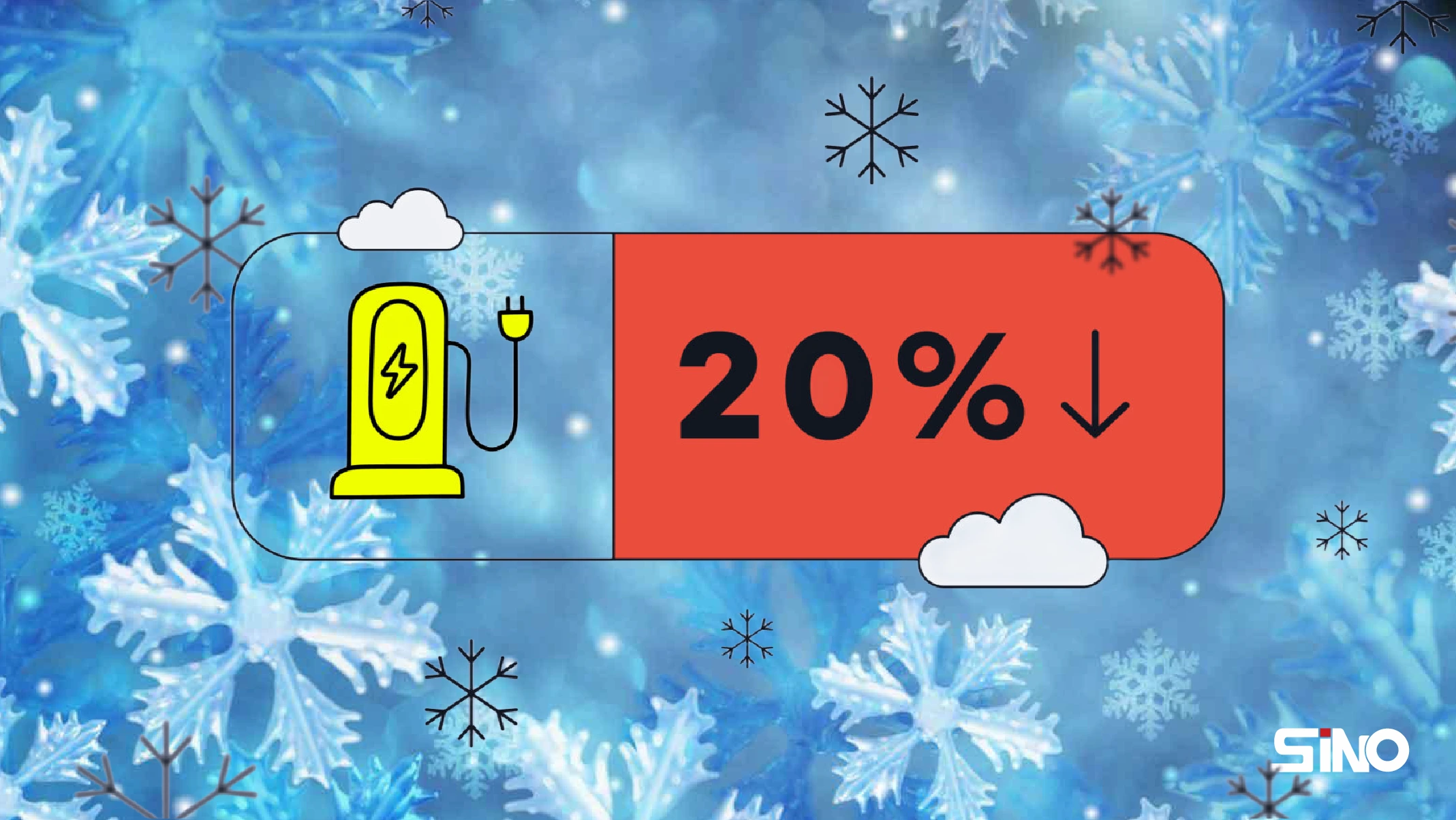
- At 0℃, many standard chargers lose 10–20% efficiency
- At -10℃, loss jumps to 20–35%
- At -20℃and below, some cheap units lose more than 40%
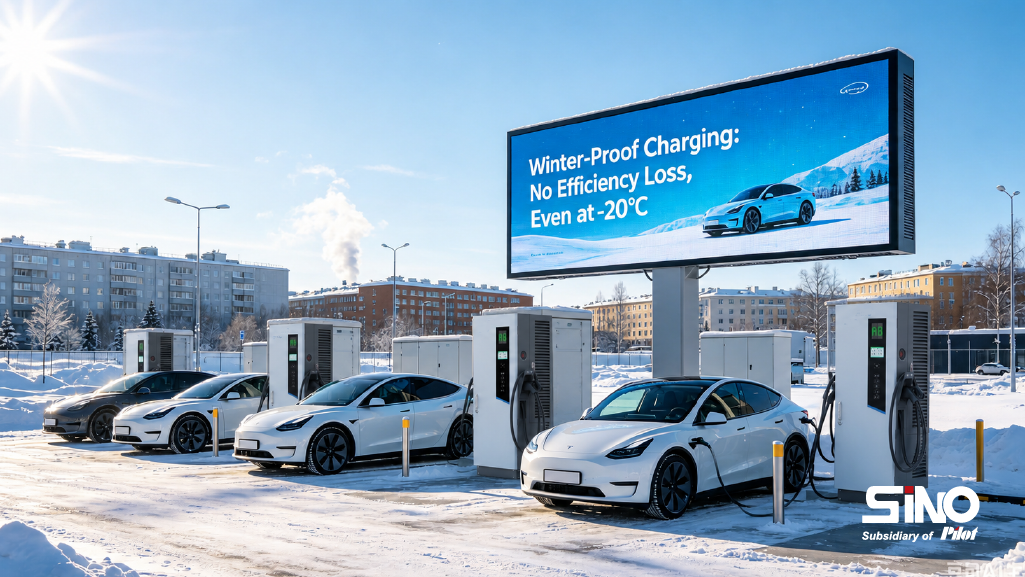
This isn’t just annoying. For businesses running commercial charging hubs, lower efficiency means longer wait times, unhappy customers, and less revenue per hour. If you’re choosing EV charger manufacturers, cold performance must be on your checklist.
Which EV Charger Types Handle Cold Best?
Not all chargers are equal. I test and compare them year-round, so I can tell you exactly which types survive winter.
AC EV Chargers: Steady but Need Protection
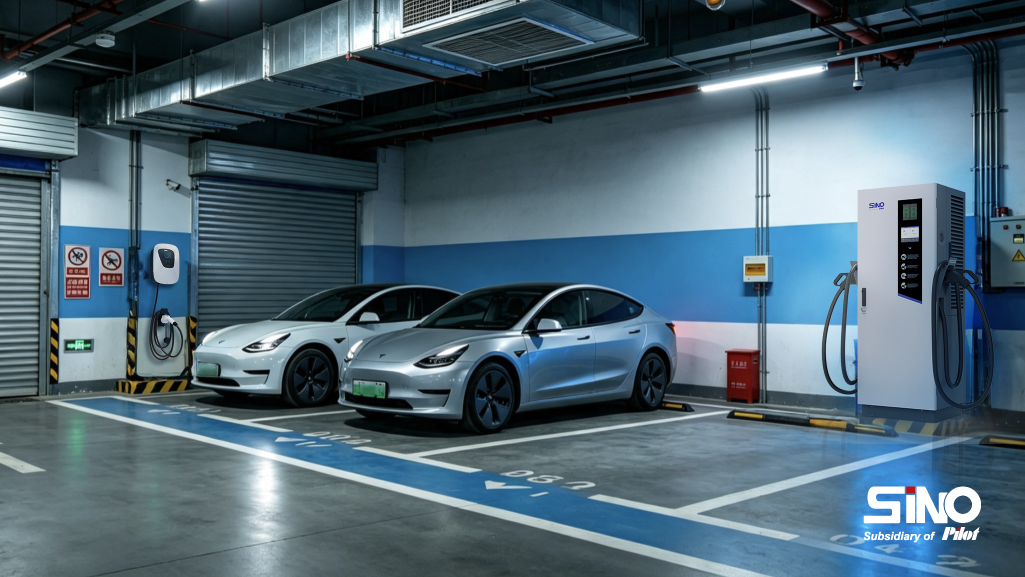
AC EV chargers are simpler, so they hold up better in mild to moderate cold. They don’t generate as much heat as DC units, but they still need weather protection.
I recommend outdoor-rated, IP54+ enclosures for cold climates. Look for models with low-temp startup logic. Top EV charger manufacturers build AC units that activate safely at -30℃. These keep home chargers and small commercial stations reliable all winter.
EV DC Fast Charging Stations: Powerful but Need Cold Engineering
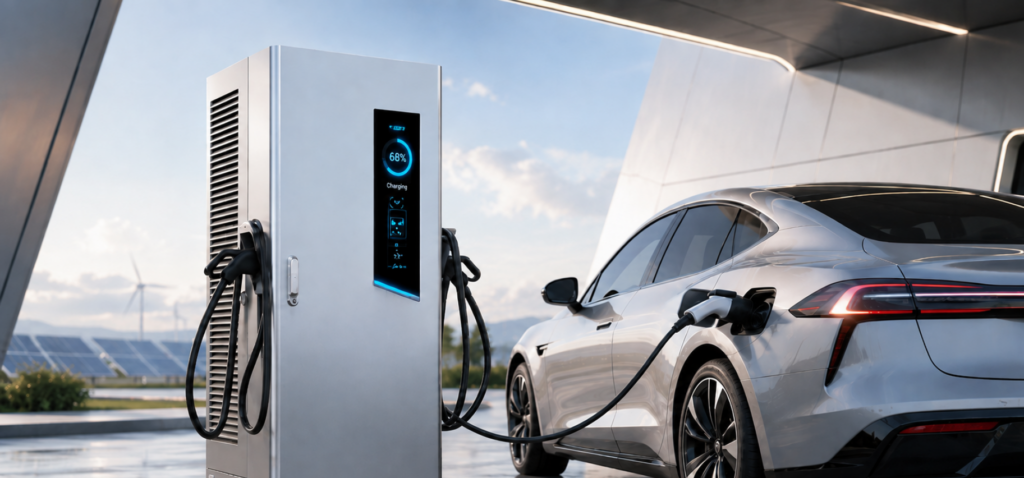
EV DC fast charging stations push serious power — but they also suffer more in extreme cold. Their high-power modules and cooling systems struggle when frozen.
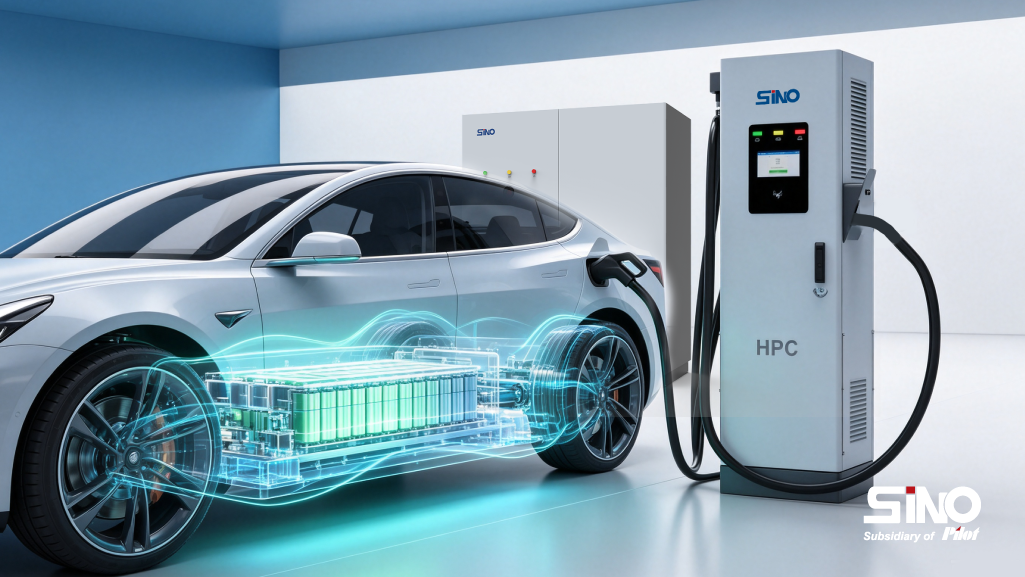
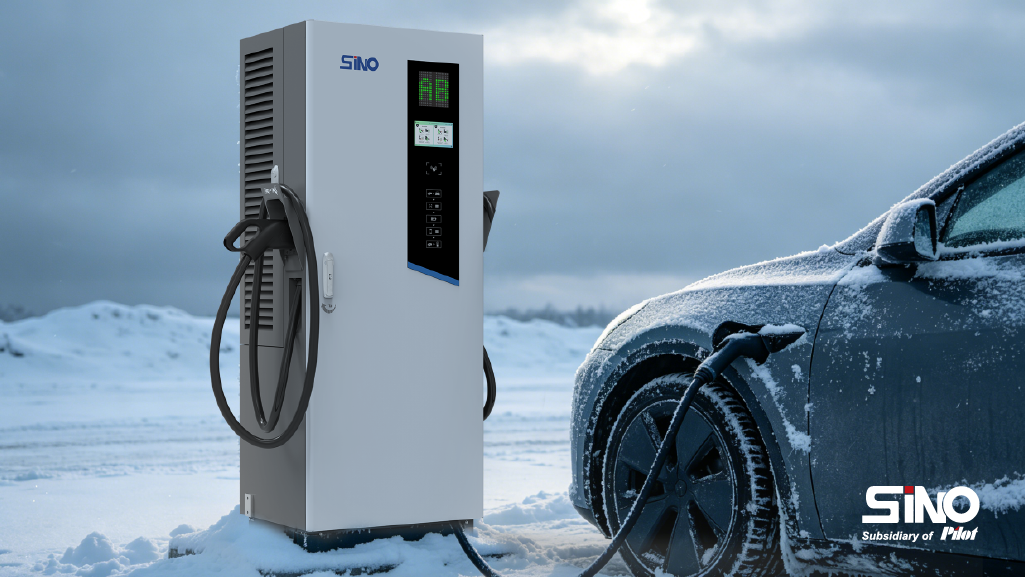
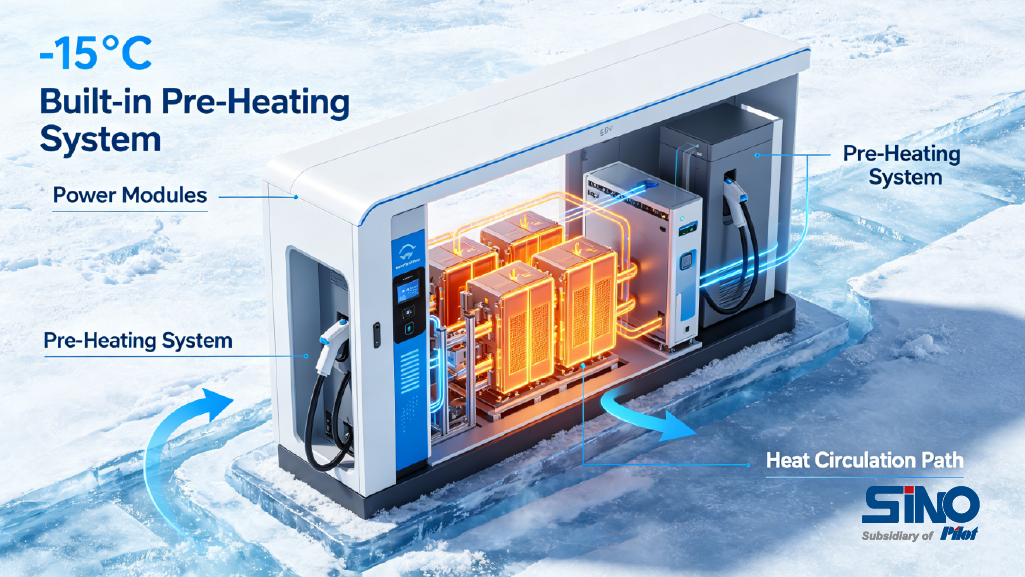
The best cold-ready DC stations include built-in pre-heating for modules, insulated cabinets, and low-temp firmware. Our DC lines were tested in harsh conditions, and they maintain strong EV charger efficiency even at sub-zero temperatures. These units don’t just “work” — they hold speed.
Key Differences Between Cold‑Ready AC and DC
Let me make it clear:
AC EV chargers: stable, lower power, good for homes and small businesses
EV DC fast charging stations: high power, need better cold engineering, ideal for highways and fleet hubs
If you’re buying for a cold region, don’t buy generic hardware. Choose brands that test in extreme temperatures.
Proven Cold-Climate Solutions from Top EV Charger Manufacturers
We don’t just talk theory. We will show you real solutions from manufacturers that build for winter.
Pre-Heating Systems for Chargers and Batteries
The single best upgrade for cold performance is pre-heating. Top EV charger manufacturers include this in premium lines. Pre-heating warms internal modules before full power engages. It stabilizes voltage, protects parts, and keeps EV charger efficiency high.
I’ve watched this work firsthand. A properly pre-heated EV DC fast charging station loses almost no speed at -15℃. For commercial operators, this feature pays for itself quickly.
Insulated, Weatherproof Enclosures
Cold and moisture kill chargers. Insulated, IP65-rated cabinets stop condensation, ice buildup, and temperature shock.
I always tell clients: don’t skip enclosure quality. Cheap plastic cracks in freezing conditions. Metal cabinets with thermal insulation keep internal temperatures steady. This protects AC EV chargers and high-power DC stations alike.
Low-Temperature Firmware and Electronics
Software matters. Good EV charger manufacturers design firmware that adjusts voltage, current, and startup behavior in cold.
I’ve tested units that refuse to turn on below 0℃ — and units that start smoothly at -40℃. The difference is in firmware and component selection. If you operate in Canada, Northern Europe, or Northeast Asia, demand low-temp certified electronics.
How to Choose the Best Cold-Resistant EV Charger
I want you to buy it right the first time. Here’s my personal buying guide.
Check Manufacturer Testing and Certifications
I never recommend a brand without real cold-test data. Look for:
Operating temperature range (look for -30℃ to +55℃)
IP rating (minimum IP54 for outdoor)
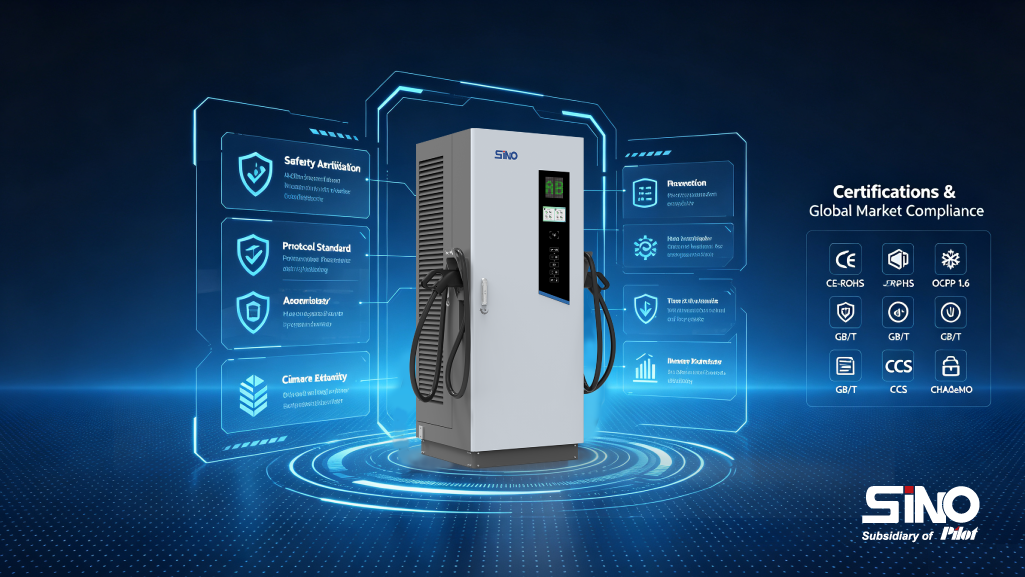
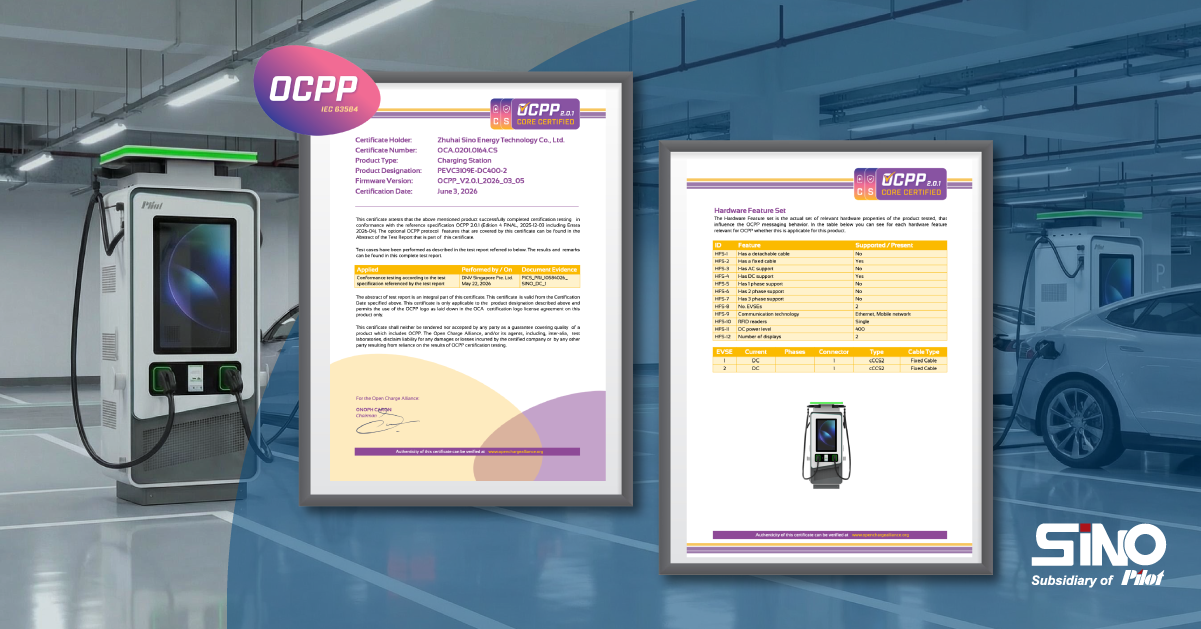
Certifications like CE, TUV, OCPP 1.6
Verified performance in harsh environments
SINO ENERGY, for example, clearly publishes its full operating temp range and builds AC EV chargers and EV DC fast charging stations for global extreme climates. That’s the transparency you want from EV charger manufacturers.
Match EV Charger Type to Your Climate and Use Case
I’ll keep this simple:
- Home / light commercial → cold-ready AC EV chargers
- Highway/fleet / high-traffic → industrial-grade EV DC fast charging stations
- Extremely cold regions → only units with pre-heat and insulation
Don’t overspend, but don’t underspec. Your efficiency and reliability depend on it.
Prioritize Long-Term Efficiency Over Upfront Cost
Cheap chargers cost more in winter. They lose efficiency, break more often, and need replacement sooner.
We would like to advise clients: calculate total cost of ownership, not just price. A high-efficiency, cold-ready charger delivers faster speeds, happier users, and lower maintenance. For business owners, that’s better revenue.
FAQ
Q1: How much does cold weather reduce EV charger efficiency?
A: Normally, 10 to 20% loss at 0℃, 20–35% at -10℃, and over 40% with low-quality units at -20℃. Cold-ready chargers limit loss to under 10%.
Q2: Are AC EV chargers better in cold weather than DC fast chargers?
A: AC EV chargers are more stable in mild cold. But high-quality EV DC fast charging stations with pre-heat outperform standard AC units in extreme cold.
Q3: What features make a charger good for cold climates?
A: Pre-heating, insulated enclosure, low-temp electronics, wide operating temp range, and IP54+ outdoor rating.
Q4: What should I look for when choosing EV charger manufacturers for cold regions?
A: Look for published cold-test data, global certifications, real customer case studies in cold climates, and support for low-temperature operation.