


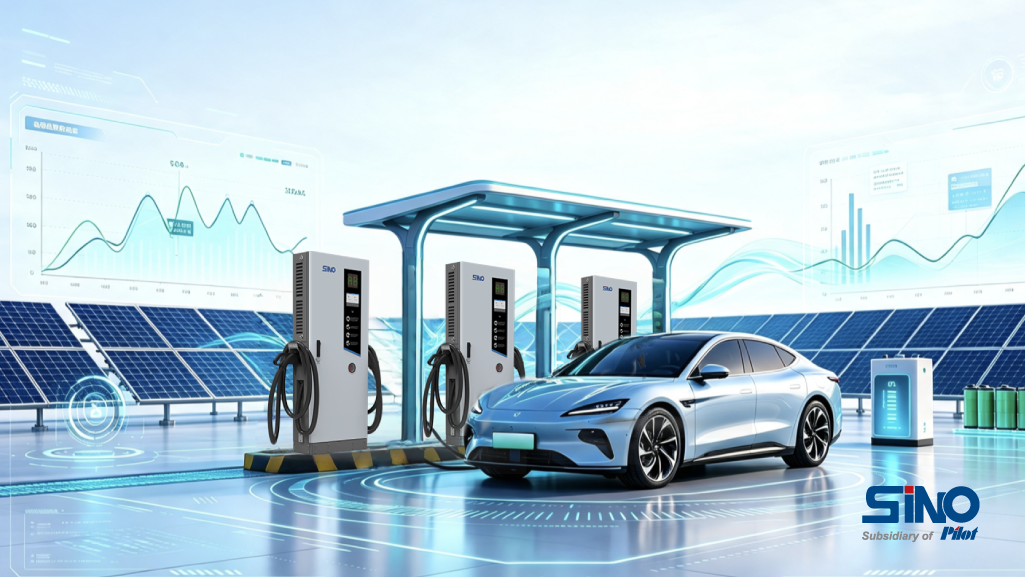
If you own an EV or run an EV charging station business, you’ve definitely felt the sting of volatile grid electricity prices. Peak-hour energy rates can inflate your monthly EV charging costs by 50% or more, whether you plug into a home EV charger every night or manage a commercial charging hub with dozens of ports. Today, we are going to break down exactly how a smart charging algorithm tied to dynamic grid pricing eliminates unnecessary energy waste and drives consistent savings for both private drivers and CPOs.
What Dynamic Grid Price Smart Charging Algorithm Actually Does For EV Charging
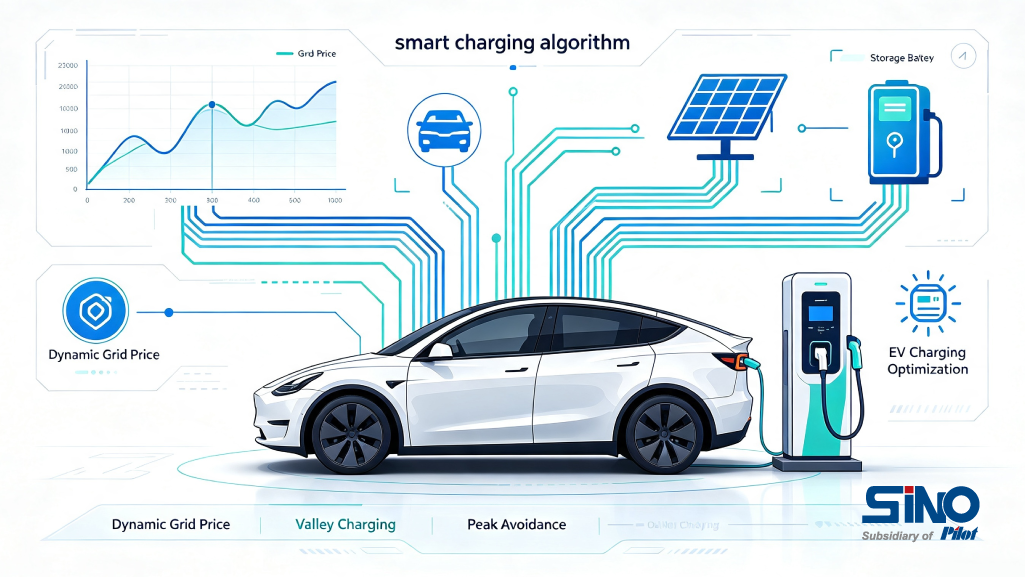
The core logic of matching charging load to real-time grid prices
A basic timer only starts EV charging at a fixed hour, no matter how high or low grid prices shift that day. A smart charging algorithm pulls live grid tariff data every few minutes and adjusts charging power and session timing automatically. When grid prices drop to valley rates, the algorithm ramps up charging power to fill EV batteries fast. When peak surcharges kick in, it throttles power output or pauses non-urgent charging sessions entirely.
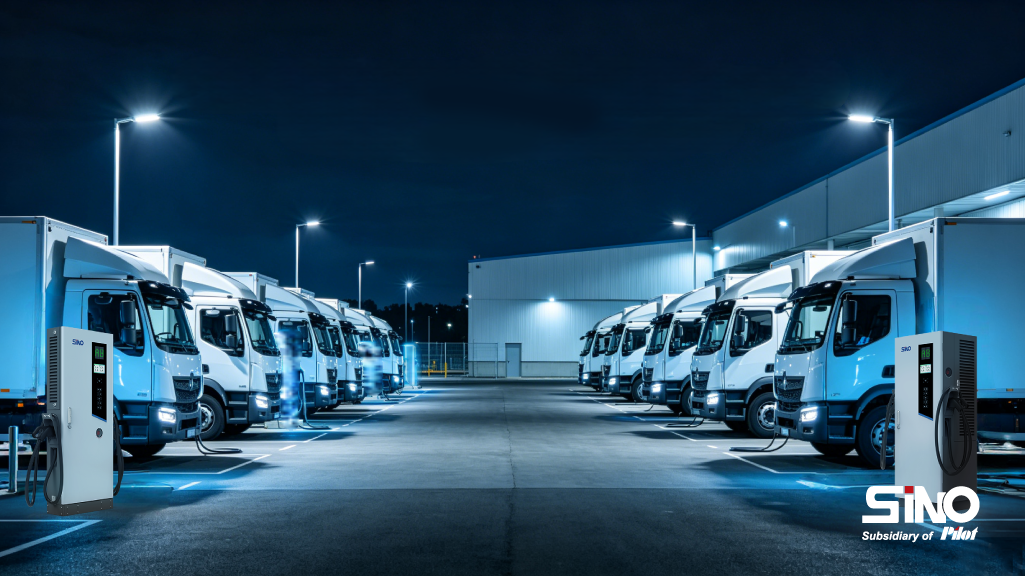
Without the algorithm, the station drew full power at busy times, hitting expensive peak tariffs. After activating dynamic price optimization, the system shifted most of the charging load to midnight–6 AM valley windows. The algorithm never sacrifices driver satisfaction; it only delays charging for users who input a flexible departure time via app.
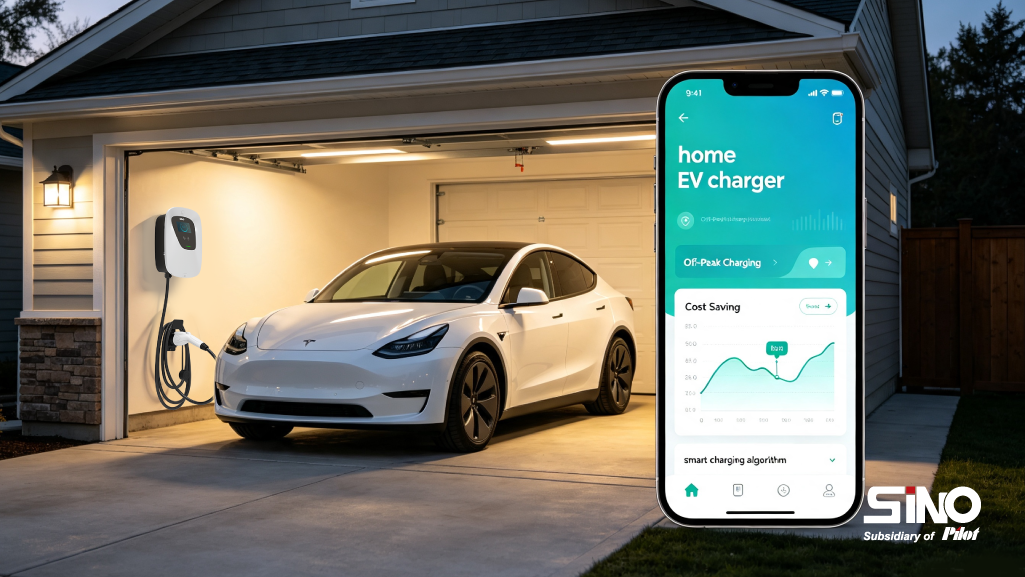
How it differs from basic timed charging on a home EV charger
Most entry-level home AC EV charger models include a simple delay timer, but this static tool cannot respond to sudden grid price spikes or temporary renewable energy discounts. For example, if wind power overproduces at 2 PM and grid rates drop 70% for two hours, a fixed timer will miss this cheap charging window entirely. The smart charging algorithm catches these short low-price windows and triggers charging instantly for your parked EV.
Hardware compatibility: AC EV charger and DC fast EV charging solution support
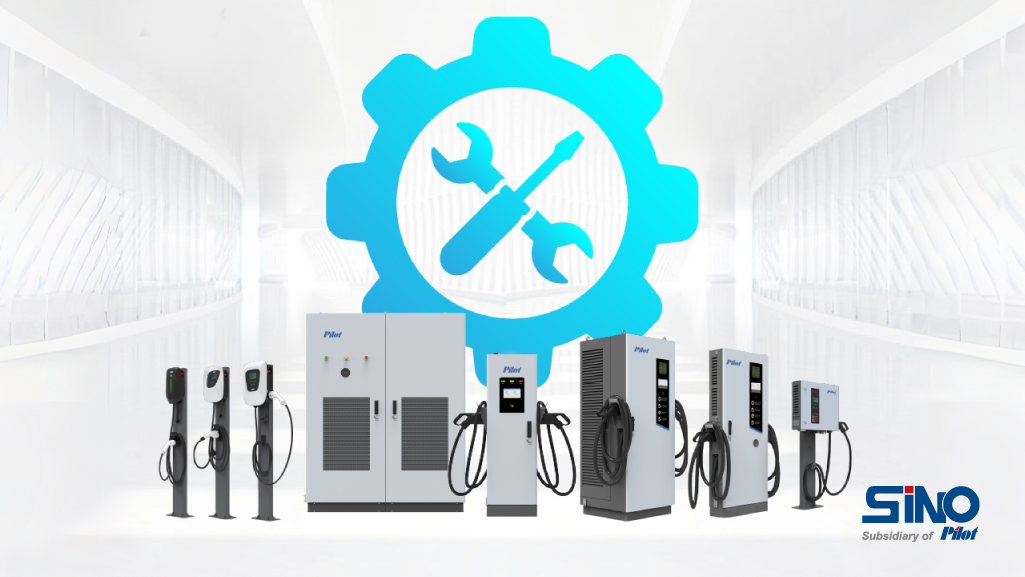
Not all charging hardware works with advanced smart charging algorithm systems, so you need to confirm compatibility before purchase. Standard AC EV charger units from reliable EV charger manufacturers ship with Modbus and IoT gateway ports that connect seamlessly to dynamic price software. Compact 3.5kW–22kW AC EV charger models for residential parking and small retail lots offer full algorithm integration without expensive retrofits.
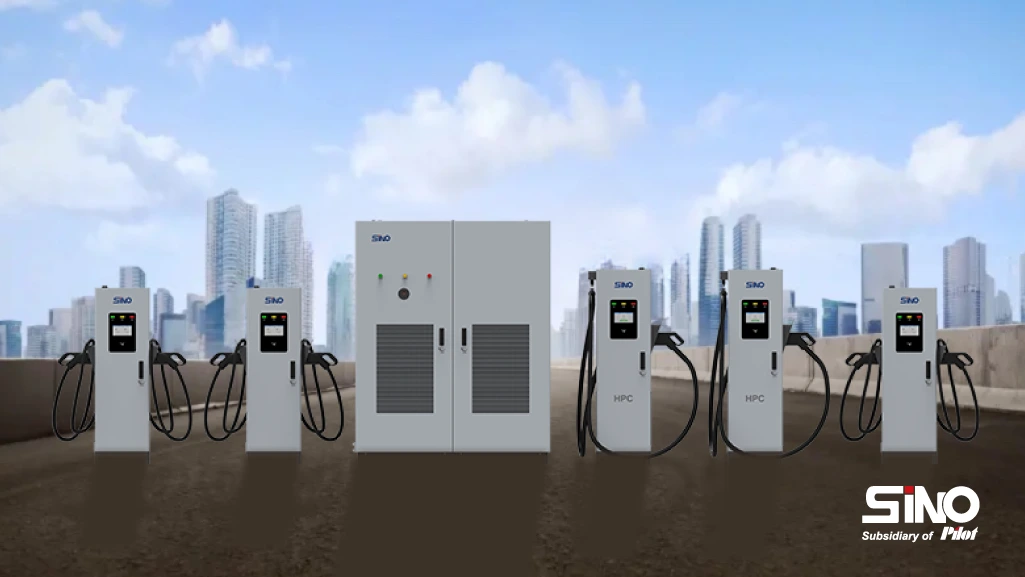
High-volume commercial sites rely on a DC fast EV charging solution to serve highway and fleet drivers, and modern split-type DC cabinets (like Sino’s PEVC3302E 480kW dynamic split system) embed native algorithm logic. Older standalone DC chargers often lack real-time grid data sync; upgrading to newer DC fast EV charging solution hardware removes manual price monitoring work entirely. If you operate mixed charging fleets with both AC and DC ports, pick a unified energy management gateway to run one smart charging algorithm across all units.
Cost-Saving Tactics For CPOs Running Public EV Charging Stations
Cut peak demand penalties via dynamic split power allocation
Grid providers charge massive penalty fees when your charging station’s total power draw crosses your contracted peak limit. The smart charging algorithm’s dynamic split feature redistributes limited site power across all connected EVs to avoid hitting this threshold, even when every charging port is occupied. Sino’s series EV DC fast charging stations allocate power dynamically between guns rather than locking in fixed power per port, a feature built directly into its core smart charging algorithm.
Boost station revenue without raising customer charging fees
Many CPOs make the mistake of lifting charging prices to offset high grid energy costs, which pushes regular drivers to competitor stations. The dynamic grid price smart charging algorithm lets you tier your customer service fees around wholesale grid costs instead of marking up flat rates all day. When grid prices fall, you can offer small customer discounts to attract more traffic; during peak grid hours, the algorithm limits high-power charging sessions to control your energy spend, so you don’t need steep price hikes for drivers.
Pick EV charger manufacturers with built-in smart charging algorithms
Avoid third-party add-on software that requires separate subscriptions and technical maintenance. Top EV charger manufacturers integrate dynamic grid price logic directly into their hardware firmware, so you skip extra monthly platform fees.
Cheap generic charging hardware often lacks embedded algorithm processing, forcing you to install external controllers that add CAPEX and break down frequently. When you compare vendor quotes, ask each EV charger manufacturer to share their smart charging algorithm’s grid tariff integration features. Hardware with native algorithm support slashes long-term operational maintenance costs by 30% or more, as you eliminate third-party software licensing and troubleshooting labor.
Budget Hacks For Private EV Owners Using Home EV Charger
Automate off-peak charging to slash household electricity bills
For every EV driver with a home EV charger, the single biggest savings lever is letting the smart charging algorithm handle charging scheduling around dynamic grid-valley prices. Most residential grid providers offer overnight rates that cost 60–75% less than daytime peak pricing, but manually remembering to plug in only after 11 PM creates inconsistent habits. The algorithm syncs your home EV charger to live grid tariff feeds and starts charging automatically whenever low-price windows open, even if you arrive home early and plug in at 6 PM.
Avoid grid overload fees when installing multiple AC EV charger units
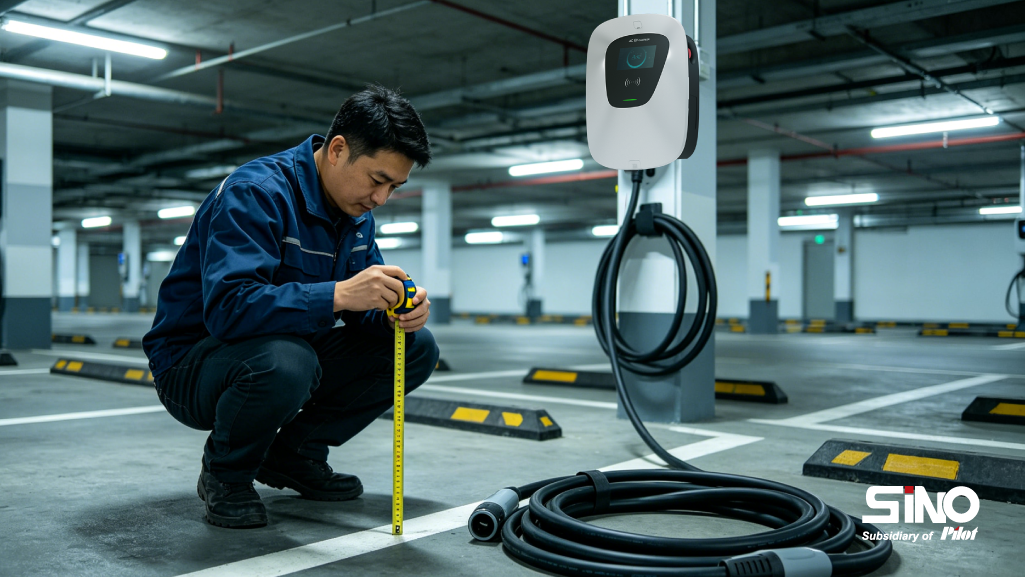
Homeowners with two EVs or multi-unit apartment landlords installing shared AC EV charger ports face hidden grid upgrade fees if all chargers draw full power simultaneously. The smart charging algorithm balances power load across every connected AC EV charger to stay under your home’s main circuit limit, so you skip costly electrical panel upgrades.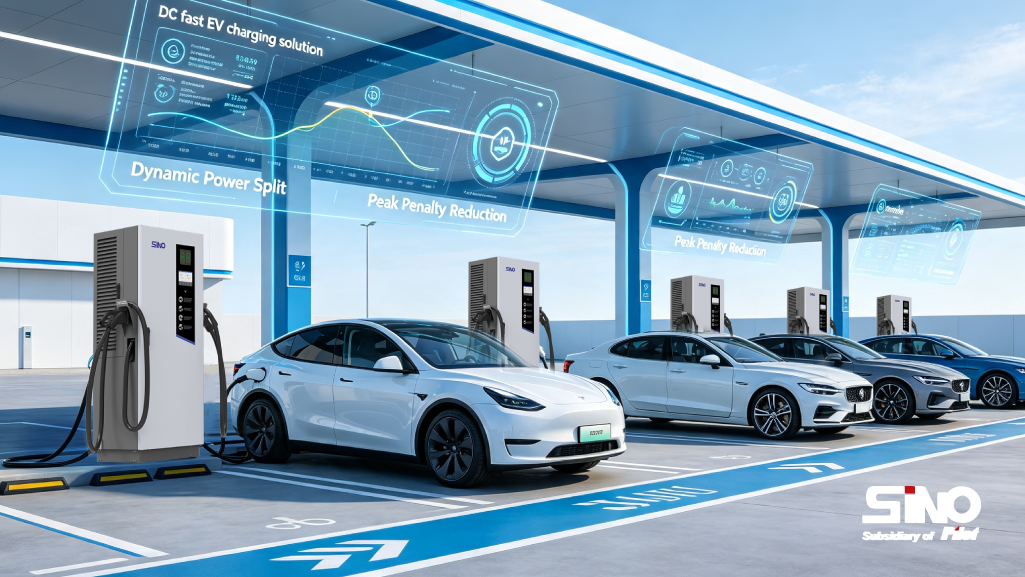
Conclusion
Dynamic grid price smart charging algorithms are no longer a luxury add-on for EV charging businesses or private drivers—they are a necessary tool to fight rising grid energy costs. Whether you install a single home EV charger for personal use or operate a network of DC fast EV charging solution hubs, matching your charging load to live grid prices directly boosts your bottom line. By partnering with EV charger manufacturers that build robust smart charging algorithm logic into their AC and DC hardware, you avoid expensive retrofits, penalty fees, and wasted energy.