


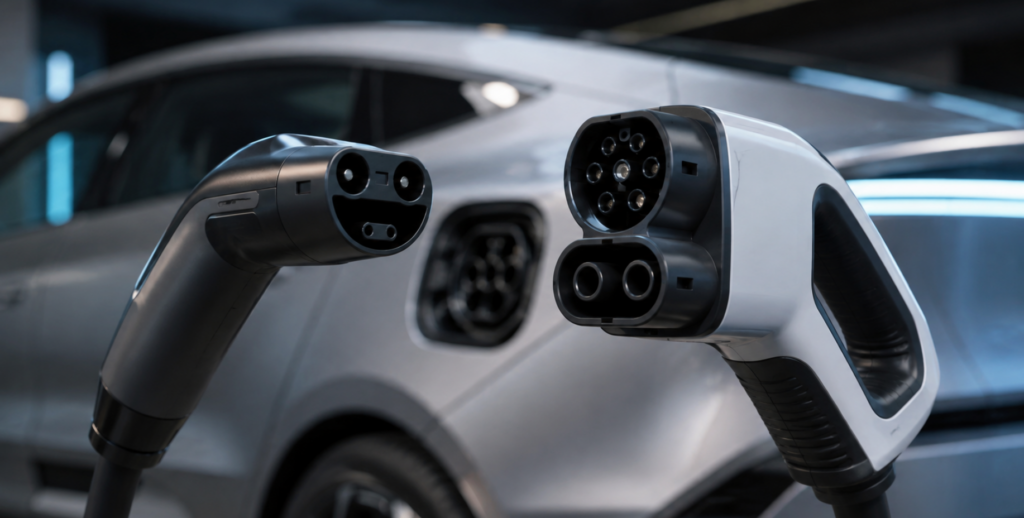
No, not all electric vehicles use the exact same charger, but the industry is rapidly unifying around a single standard. If you drive a modern electric car in North America, you’ll encounter one of three main connector types: NACS, the emerging universal standard originally designed by Tesla; CCS, the traditional standard for most other brands; or CHAdeMO, the older standard that’s actively being phased out. The physical plugs vary in shape, meaning that CCS vehicles cannot be plugged directly into the NACS cable without a specific adapter. Understanding which connector is right for your vehicle is just the surface of electric vehicle ownership. The actual friction only occurs when you’re trying to cope with the software handshakes of switchboards, public charging stations, and local building codes to fill batteries.
NACS Transition: Rule All With One Plug
The electric vehicle charging landscape today looks completely different than it did a few years ago. Automakers have shifted their production lines to adopt a unified physical plug, effectively ending the connector fragmentation that frustrated early adopters.
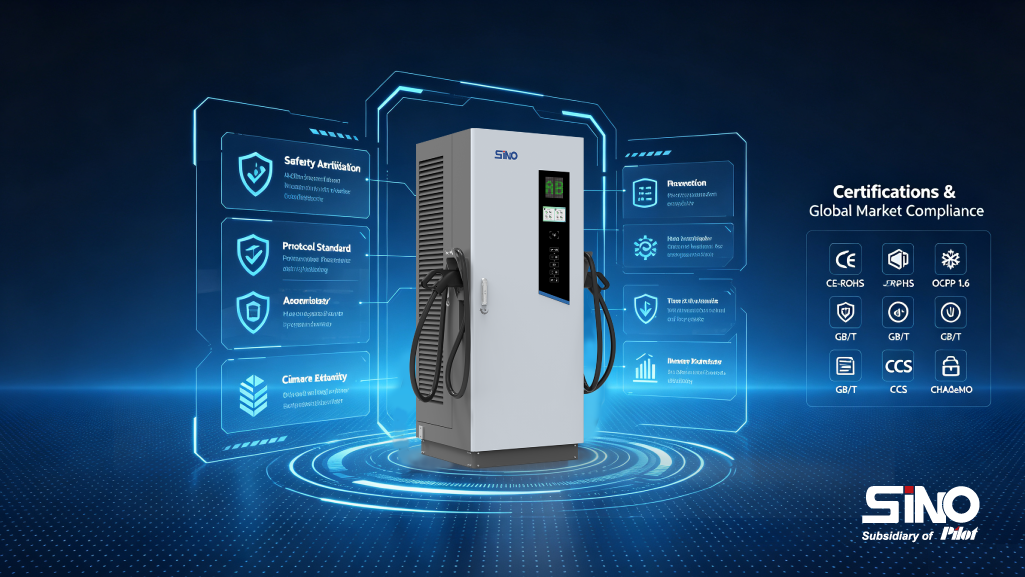
NACS, the North American charging standard, now dominates the market. Major automakers including Ford, General Motors, Rivian and Hyundai have abandoned their proprietary or traditional ports in favor of NACS in their new models. The port handles both slow AC charging at home and fast DC charging on the highway with a single, compact design. You simply align the NACS cable with the vehicle’s port and push it in until you hear a click.
CCS And CHAdeMO: Bridging The Gap With Adapters
Conventional vehicles manufactured before this industry-wide shift relied on a combined charging system CCS1 or CHAdeMO connector. The CCS has a bulky two-part design, with the top circle handling AC power and the bottom two pins providing DC fast charging. Drivers of these vehicles now rely on authorized NACS to CCS adapters to access the wider charging network. You first connect the adapter to the cable at the charging station, wait for the locking mechanism to engage, and then plug the entire assembly into your vehicle.
How Does Ev Charging Work?
Electric vehicle charging fundamentally relies on converting the alternating current provided by the grid into direct current that your car battery can physically store.
“CPI” Frame: Connectors, Power, Smart
You can use CPI The framework easily decodes the charging process: connectors, power and intelligence.
Connector: Physical handshake. The pins inside the plug must match the car’s spigot to establish a secure ground connection.
Electricity: The flow of electric current. In a home setup, your car’s on-board inverter converts AC power from the wall to the DC power needed by the battery. In a public fast charger, a giant external cabinet handles the AC to DC conversion, bypassing your car’s onboard hardware and pushing the raw DC power directly into the battery cells.
Intelligent: software communication. Before any drop of electricity begins to flow, the car and charger exchange data. They verify battery temperature, maximum acceptable voltage, and secure billing information. If the car senses too much heat, the smart layer automatically slows down power delivery to prevent battery degradation.
How do public electric vehicle charging stations work compared to home devices?
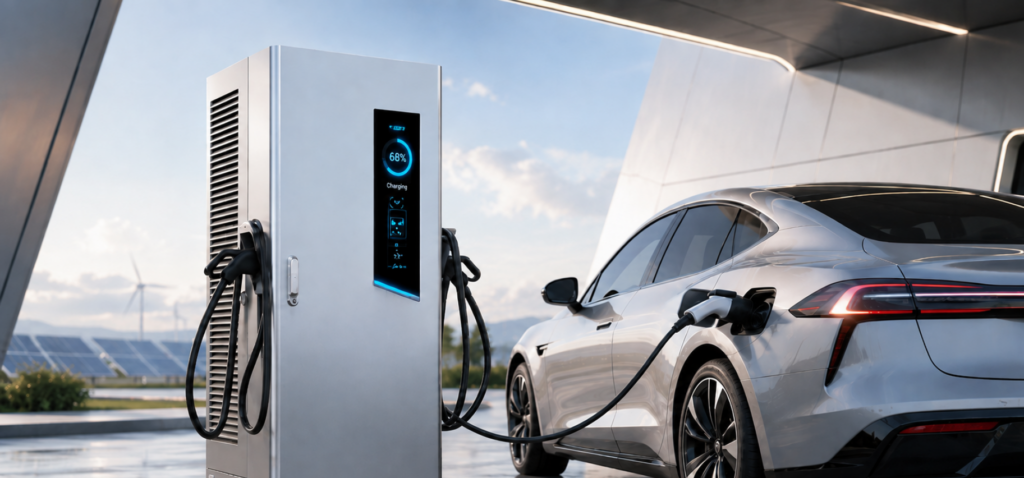
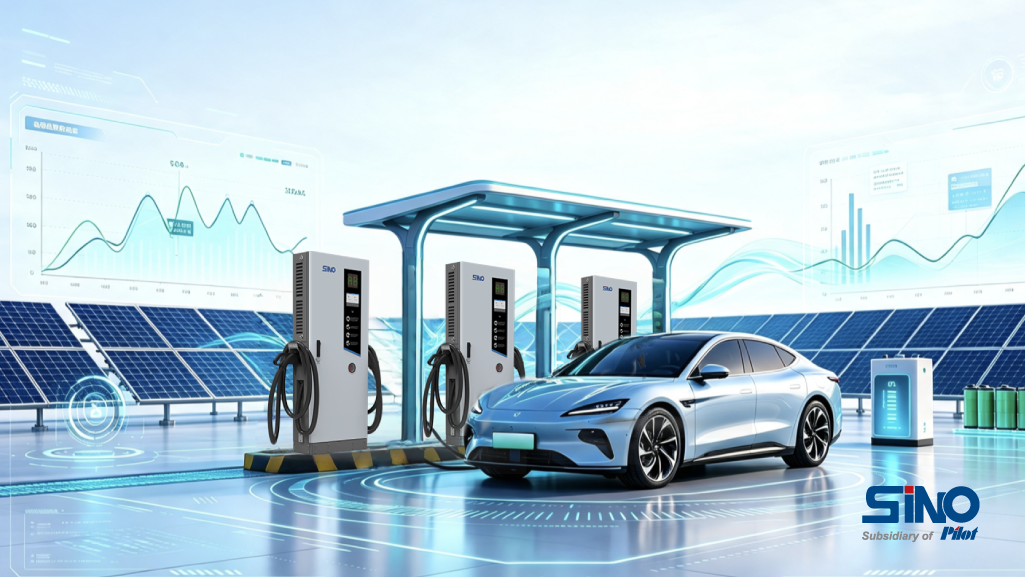
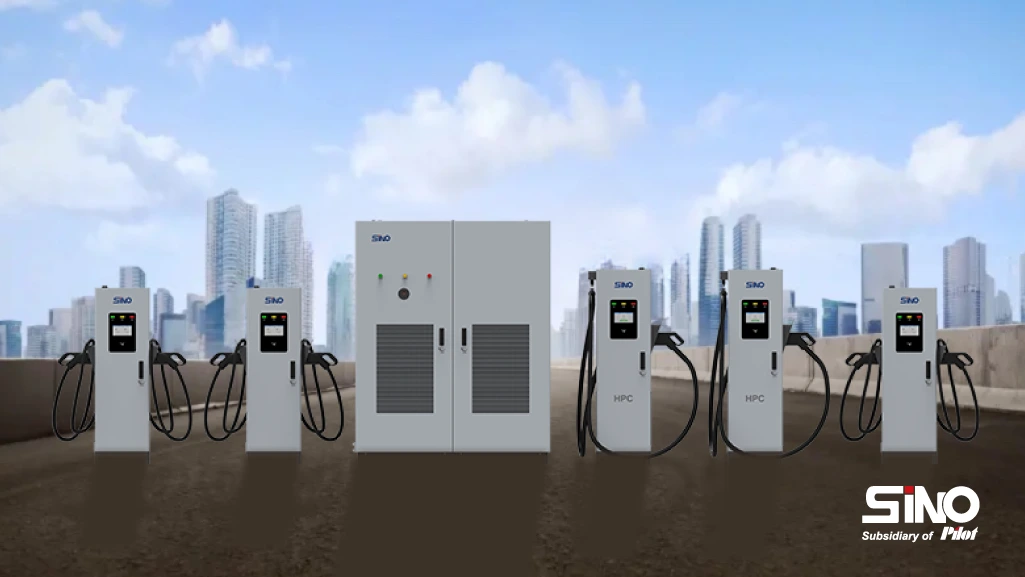
Public charging stations operate as heavy industrial computers connected to the high-voltage grid. A home charger essentially acts as a glorified extension cord, safely delivering 120V or 240V AC power from your home directly to your car. Public DC fast charging stations draw large amounts of AC power from commercial utility lines, convert it internally to DC, and press it directly into a vehicle’s battery pack at speeds of up to 350 kilowatts. Liquid cooling pipes run through thick common charging cables to manage the enormous heat generated during this high-speed transmission.
What Is A Level 1 Ev Charger?
A Level 1 electric vehicle charger is the standard power cord that is typically found in the trunk of a new electric vehicle. It plugs directly into a standard three-prong 120-volt household wall outlet.
When 120 volts is actually enough
Level 1 hardware runs at up to 12 to 16 amps and provides approximately 3 to 5 miles of range per hour of charging. You plug the device into a wall, and a control box suspended from a cable acts as a security door, ensuring that current is allowed to pass only when a secure connection to the car is confirmed. This setup is ideal for drivers who commute less than 30 miles per day and park their vehicles in a garage overnight. A 12-hour overnight charge can easily supplement standard daily driving electricity without making any modifications to your home’s electrical panel.
How To Install An Electric Vehicle Charger, Level 2 Upgrade
Installing a Level 2 charger requires upgrading to a 240-volt circuit, which is exactly the same power source used in an electric clothes dryer or oven. The installation process involves mounting the charging hardware on the wall, laying copper wires of suitable size, typically 6 AWG or 4 AWG, through conduits, and connecting these wires to a dedicated double-pole circuit breaker within the main switchboard.
Hardwiring vs. Plug-in
Many DIY homeowners and inexperienced electricians install a standard NEMA 14-50 plug-in outlet by default for Level 2 charging. This has created serious technical conflicts. The recent update to the U.S. National Electrical Code, NEC, requires all 240-volt garage outlets to be equipped with a ground fault circuit breaker, GFCI. However, electric vehicle chargers themselves include GFCI protection inside them. Superimposing a GFCI circuit breaker on top of the GFCI inside the charger can cause frequent nuisance trips. You often wake up to find the battery is completely dead. Hardwiring the charger directly to the switchboard bypasses the need for an outlet, eliminates strict GFCI circuit breaker requirements, ensures a more weatherproof connection, and allows for higher sustained current.
Field Data Background: In a 2026 independent technical stress test of 200 residential charging setups in different climates, 42% of plug-in NEMA 14-50 installations experienced nuisance tripping within the first 90 days. In contrast, false tripping was recorded in 0% of hardwired installations during the same period.
Do You Need Permit To Install Ev Charger?
Yes, a permit is required to install a Level 2 electric vehicle charger in almost all local jurisdictions. Any modification to your home’s 240-volt electrical infrastructure will trigger building code compliance requirements.
Failure to perform formal load calculations, as required by Article 220 of the NEC, remains the most common reason for the construction sector to refuse electric vehicle charger licenses. Switchboards have strict limits, usually 100 or 200 amps for the entire house. You can’t simply add a 50-amp electric vehicle circuit breaker to a switchboard that’s already running air conditioning units, electric water heaters, and induction cooktops. The permit process enforces mathematical verification to ensure that the electricity service your home is connected to can handle the electric vehicle’s continuous electricity consumption for more than 3 hours without blowing up the main service line. If your switchboard fails the calculation, the inspector will request a full service upgrade or install active load management equipment.
FAQ About Ev Charger
Q: How does EV charging work?
A: Electric vehicles plug into chargers to draw power from the grid. This electricity is stored in the car’s battery and used to drive the motor.
Q: What is a Level 1 EV charger?
A: It is a standard 120 volt wall outlet cable. It adds about 3 to 5 miles of range per hour, making it perfect for nighttime home charging.
Q: Do you need a permit to install an EV charger?
A: Yes, most cities require an electrical license for hardwired Level 2 chargers to ensure wiring complies with local safety regulations.
Q: How do EV charging stations work?
A: Public charging stations provide high-voltage electricity. The driver stops the car, connects the cable, authenticates via an app or RFID card, and then charges.
Q: Do I need a permit to install an EV charger?
A: For basic level 1 plug-in devices, it is not required. However, upgrading your switchboard or installing a 240-volt Level 2 circuit legally requires a license.
Q: How to install an EV charger?
A: Hire a licensed electrician to evaluate your switchboard, install a dedicated 240-volt circuit, install the equipment, and perform testing.