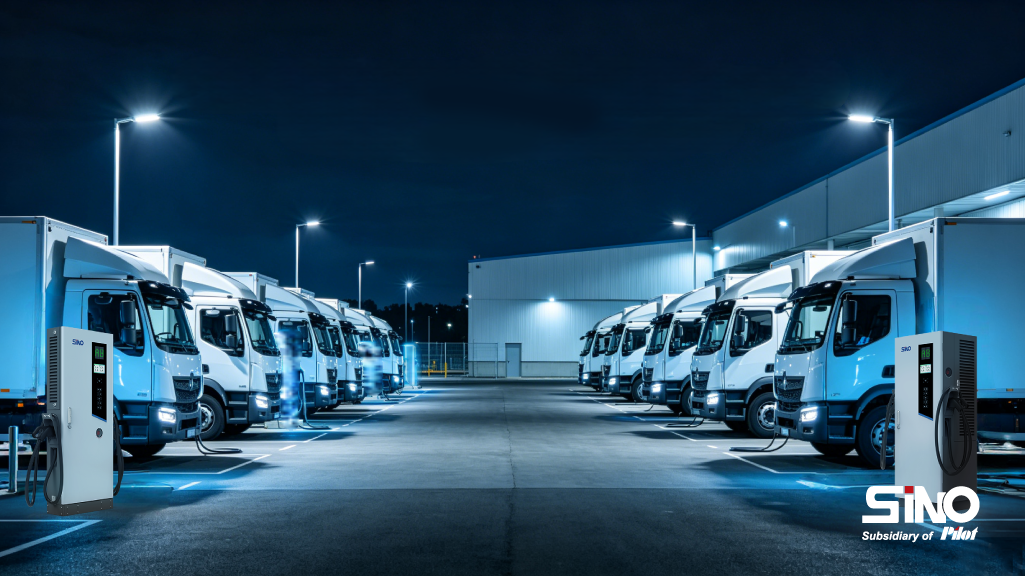



If you’re a CPO, site investor, or someone planning to build commercial charging sites, you’ve definitely noticed the shift toward high-power charging lately. Today, we will talk about 480kW superchargers and see if we can help you figure out if your current infrastructure can keep up with this fast-growing trend.
EV drivers no longer settle for slow top-ups, and every charging project now stands or falls based on whether its infrastructure matches the power of its supercharger. Over the past few years, charging power has climbed steadily from 60kW to 180kW, and now 480kW superchargers are becoming the new standard for busy public lots, highway service areas, and fleet depots.
Why 480kW Superchargers Are Reshaping Modern EV Charging
The rising demand for high-power super-fast charging stations
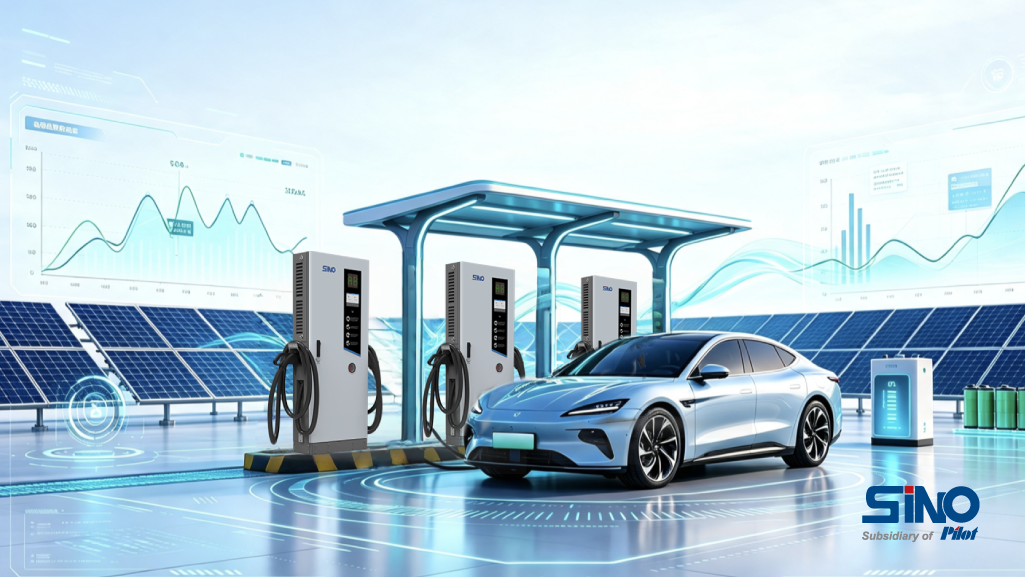
EV adoption is exploding across every region, and regular charging speeds can no longer handle the traffic at those popular locations. Roadside stops, shopping malls, and logistics fleets all need super-fast charging stations to cut down driver wait times. A standard 120kW EV DC fast charging station takes roughly 30 to 40 minutes to fully power a modern EV. A 480kW supercharger slashes that time down to under 10 minutes for most mainstream electric vehicles.
As more long-range EVs hit the market, drivers prioritize quick charging above almost everything else. If your site only offers mid-power chargers, you will lose customers to locations with higher-power setups. Super fast charging stations are not a luxury anymore—they are a basic requirement to stay competitive in the charging industry.
How 480kW changes user expectations for charging speed
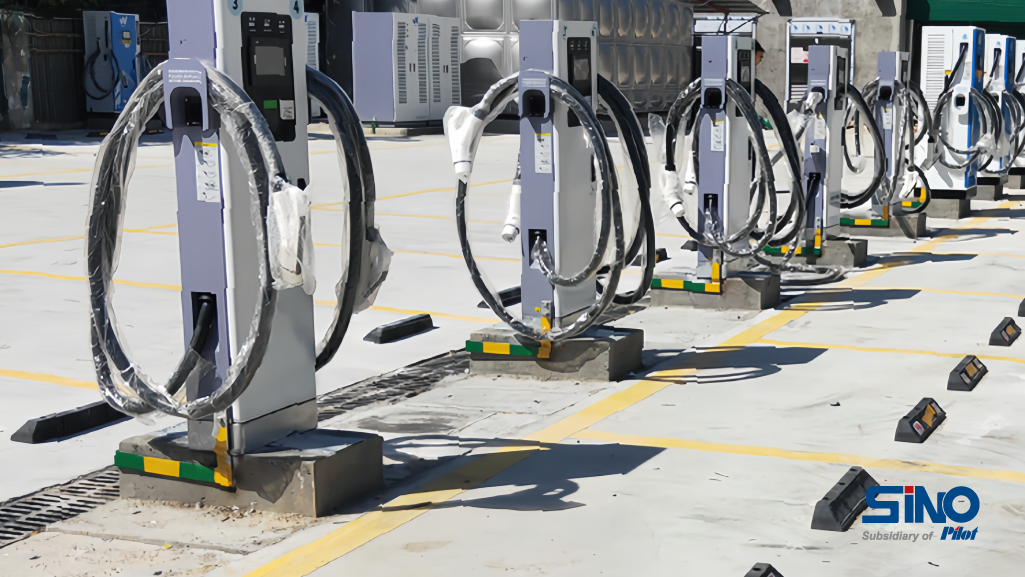
Drivers now compare charging an EV to refueling a gas car, and 480kW superchargers close that gap significantly. Some EV owners avoid sites with slow chargers entirely, even if those sites have lower electricity fees. This shift in user behavior forces CPOs and site owners to upgrade their equipment and rethink their overall commercial EV charging solution. A single 480kW unit can serve multiple vehicles efficiently, which also boosts the daily revenue of a charging site. Beyond speed, users also care about stability. High-power chargers must run smoothly during peak hours, which ties directly back to solid infrastructure. Even the best 480kW supercharger will underperform if your site’s infrastructure cannot deliver consistent power.
Core Infrastructure Requirements for 480KW Supercharger Deployment
Power grid and electrical setup basics
Before you order any high-power hardware, you have to evaluate your local power grid capacity. A single 480kW supercharger draws far more electricity than traditional AC EV Chargers or 180kW DC units. Your site needs a dedicated high-voltage power connection, upgraded transformers, and thick-gauge cabling to handle continuous high current. Many older charging sites were built for low to mid-power equipment, so their grid connections cannot support 480kW loads. We recommend hiring a professional electrical engineer to conduct a full load test of your infrastructure before making any purchases. Skipping this step leads to frequent power drops, charger faults, and unhappy drivers. Strong grid support is the foundation for any successful 480kW supercharger installation.
Site layout and hardware matching rules
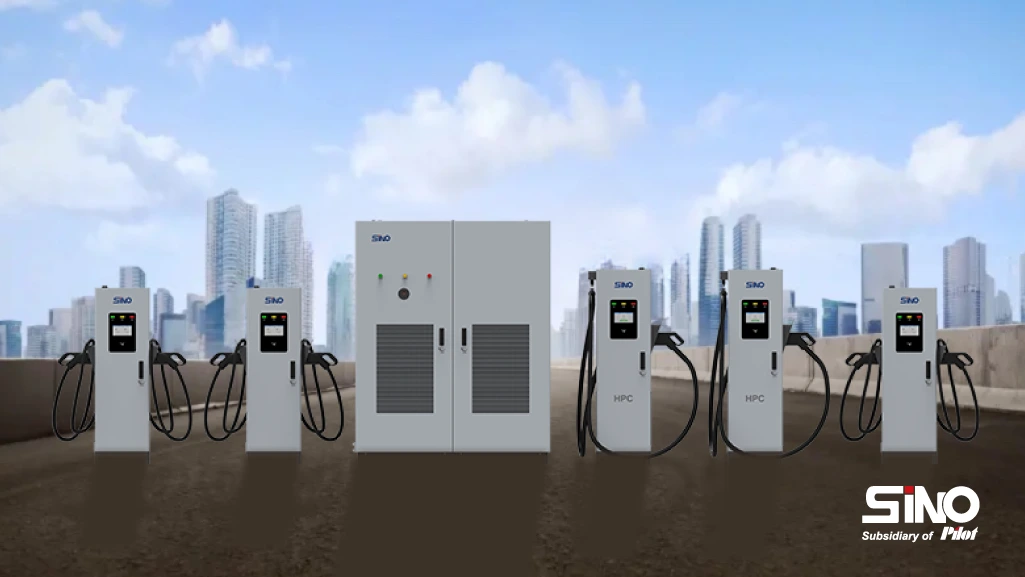
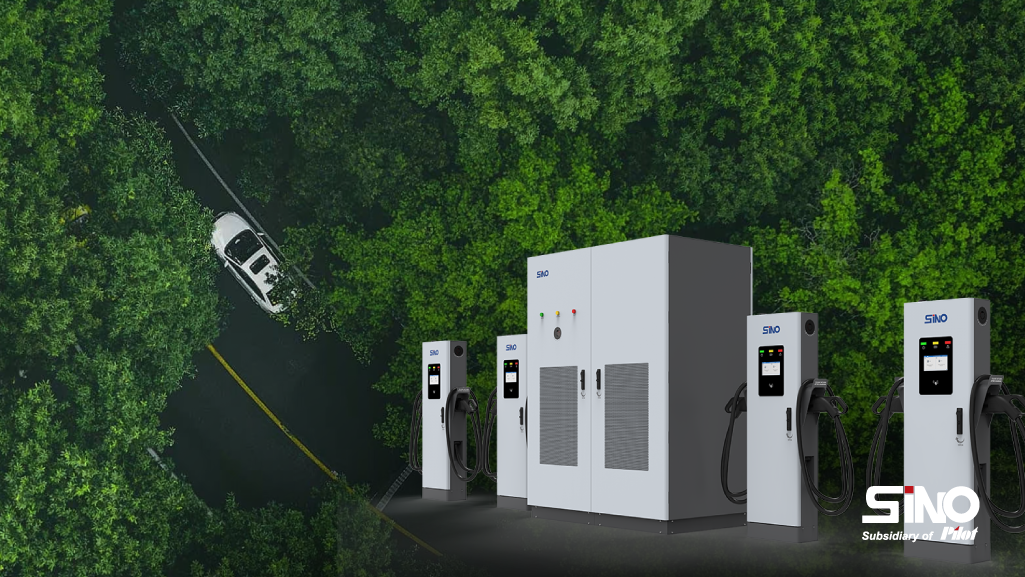
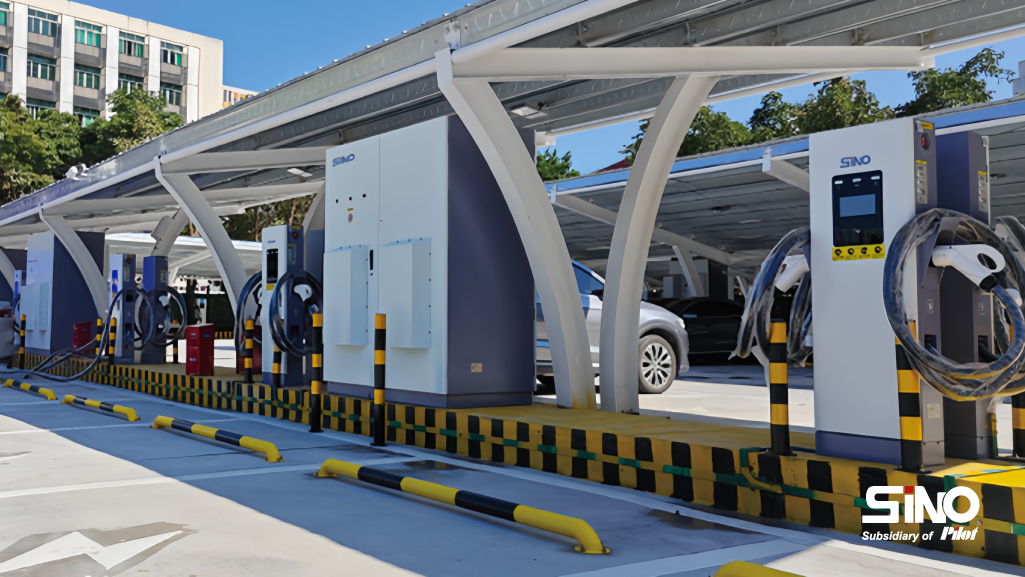
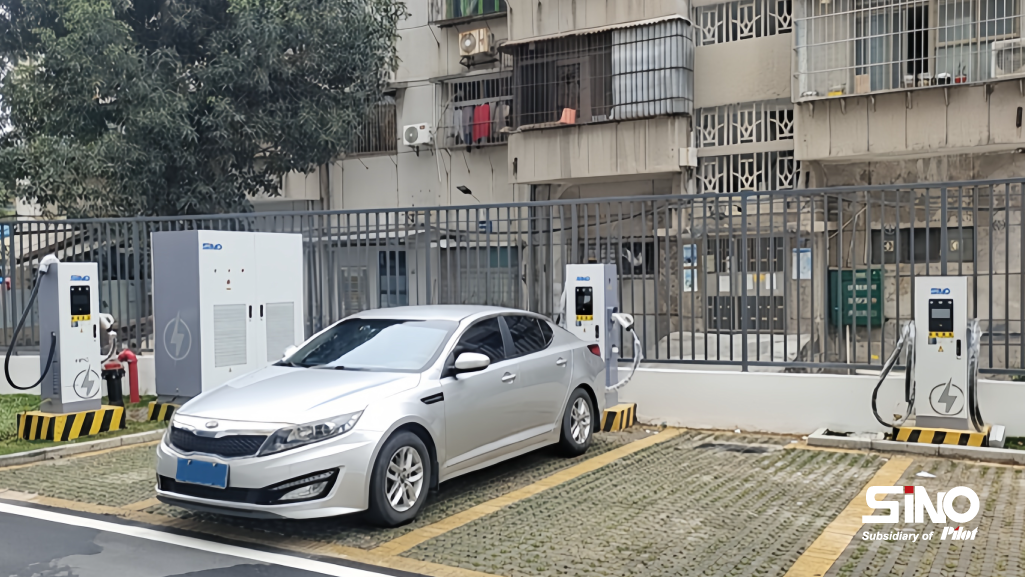
Physical site layout is another critical part of your infrastructure planning. 480kW split superchargers separate the main power unit from the charging terminals, so you get more flexible parking arrangements. You can place multiple charging guns across several parking bays without crowding the main power cabinet. You also need to plan for proper ventilation and heat dissipation. High-power charging generates a lot of heat, so your layout must leave enough space for airflow. Fire safety systems and emergency stop controls are also non-negotiable for commercial EV DC fast charging stations. When your layout and hardware match perfectly, your supercharger runs safely and efficiently all day long.
Compatibility with existing EV charging solution
Most existing charging sites mix AC EV Chargers and EV DC fast charging stations to serve different user groups. Home users and office park visitors prefer slow AC charging overnight, while road travelers rely on DC fast power. When you add 480kW superchargers to your existing EV charging solution, you need to ensure all equipment works on the same management system. Modern charging hardware uses universal protocols like OCPP 1.6, which lets CPOs monitor, control, and bill for all chargers from one backend platform. If your old system cannot connect to the new high-power units, you will face extra costs to replace software and control panels. We would like to advise clients to choose new superchargers that integrate seamlessly with their current EV charging solution to save time and money.
Deep Dive into PEVC3302E Split Charging System for 480KW Superchargers
Key advantages of a split supercharger design
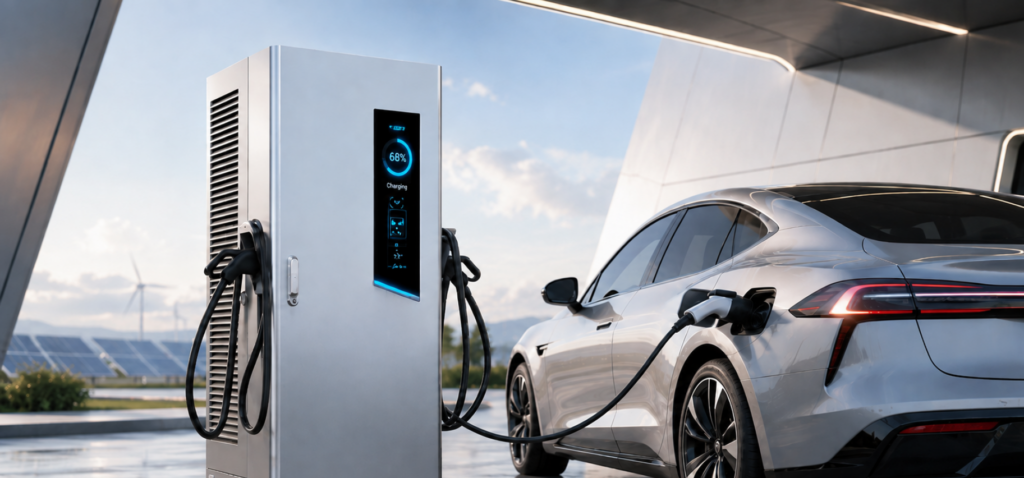
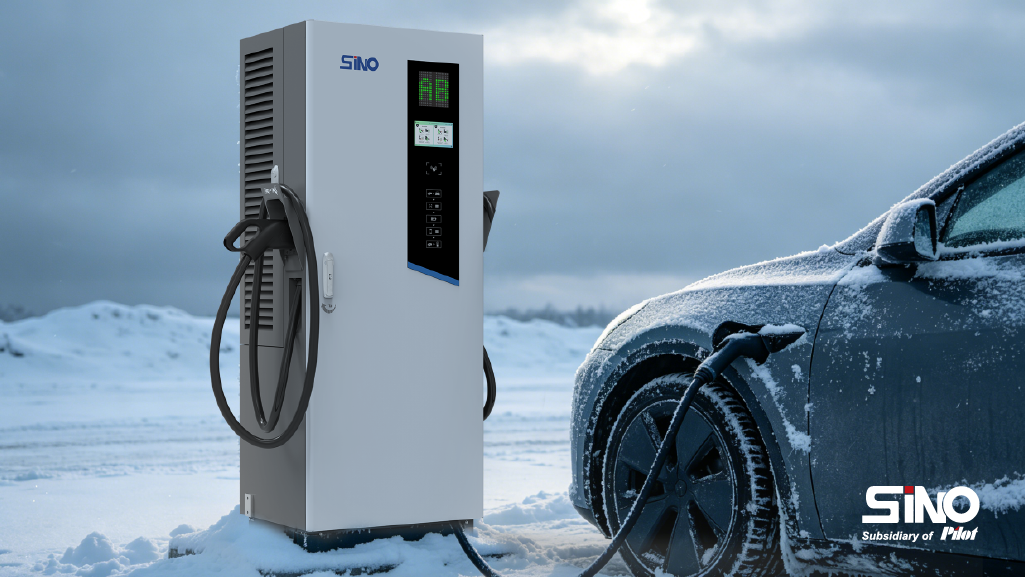
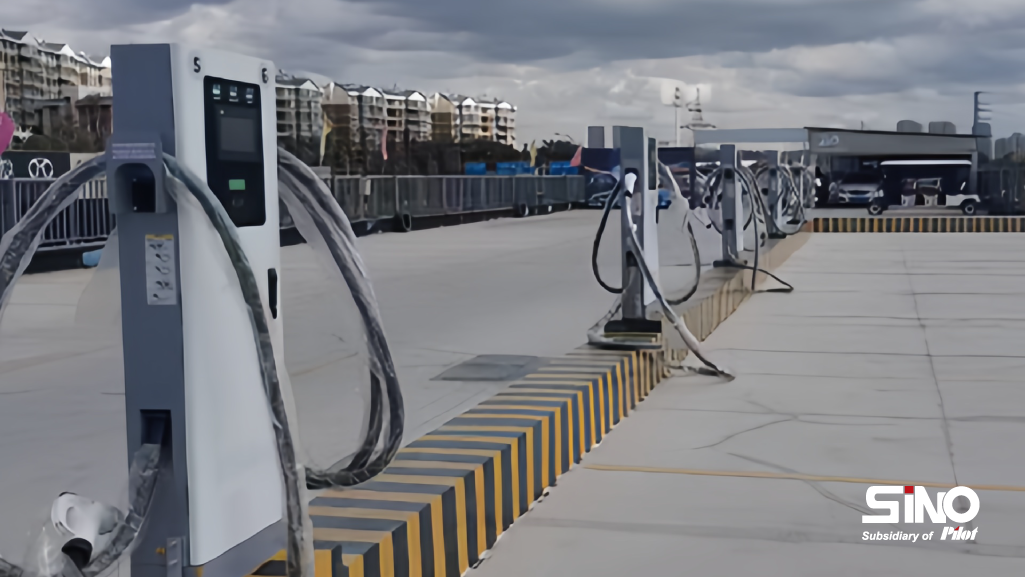
The PEVC3302E is the 480kW split charging system I want to highlight today, and it solves many common pain points for high-power charging sites. Unlike integrated superchargers that combine all parts in one cabinet, this split design places the heavy power module in a fixed equipment area and runs cables to individual charging terminals. This design cuts down on maintenance work because technicians can access the main power unit easily without disrupting parked vehicles. The system delivers a steady 480kW output and works reliably even in extreme temperatures, which makes it ideal for highway stops and outdoor public stations. I have seen this split design perform exceptionally well in busy commercial environments, outlasting many traditional high-power chargers.
How does this system support CPO’s daily operation
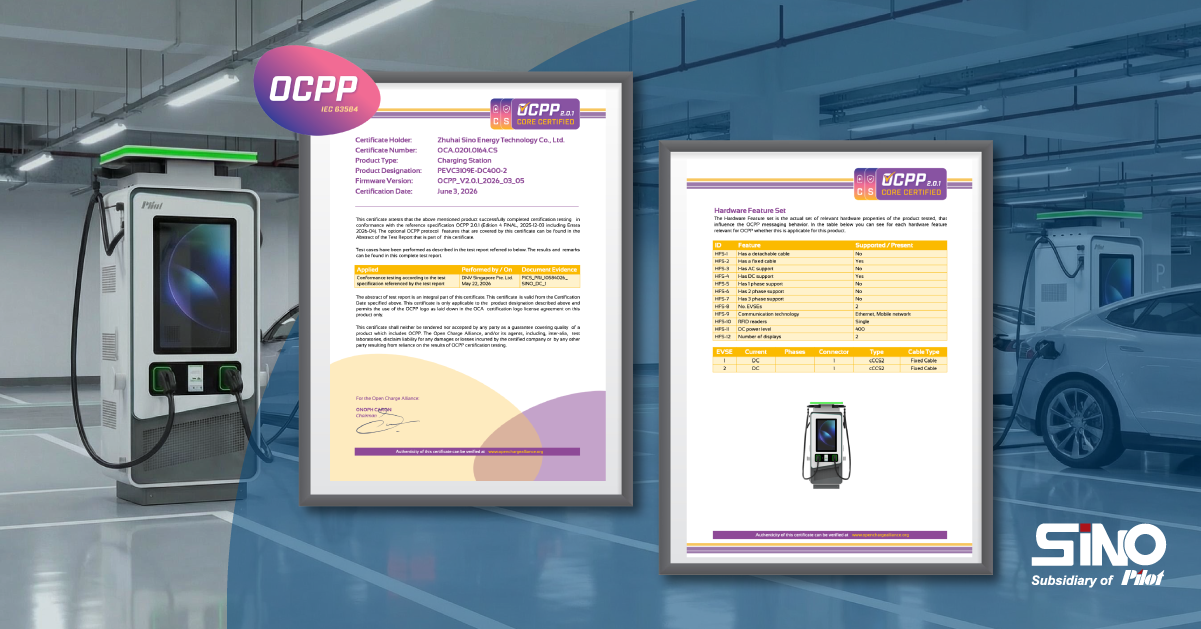
CPOs handle daily equipment checks, remote troubleshooting, billing, and regular maintenance, and the PEVC3302E fits perfectly into daily operational workflows. The system holds full OCPP 1.6 certification, so it connects directly to standard charging management platforms. CPOs can remotely adjust power output, monitor real-time usage data, and fix minor faults without sending a technician onsite. The hardware also meets global safety standards like CE, so it complies with rules across different regions. For fleet operators and large CPO networks, reliability equals lower long-term costs. This 480kW split supercharger reduces downtime and keeps your charging infrastructure running at maximum capacity every single day.
How to Pick Reliable EV Charger Manufacturers for High-Power Projects
Must-have certifications for commercial charging equipment
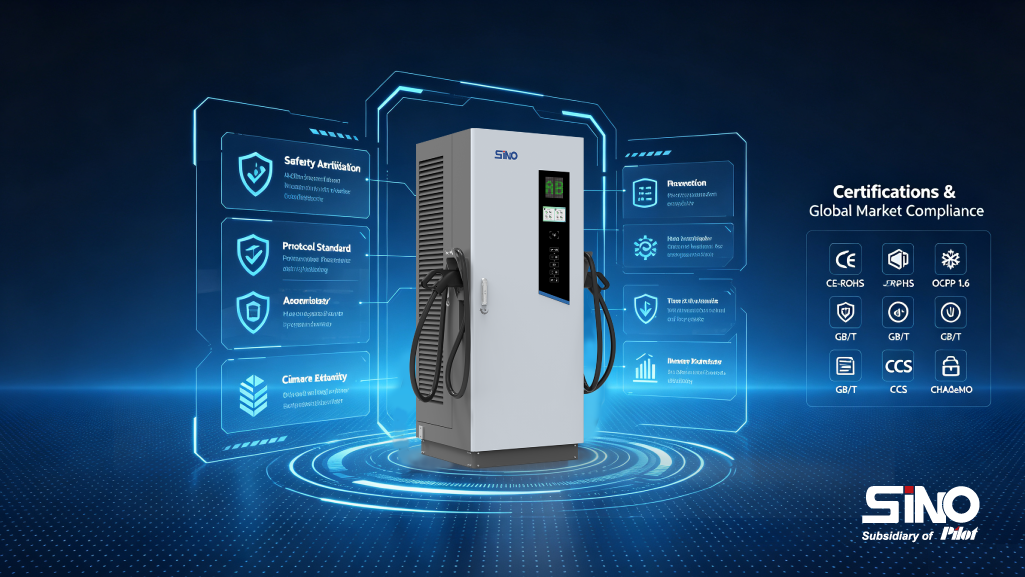
Not all EV charger manufacturers build high-power equipment to the same quality standards. When you shop for 480kW superchargers, always verify core certifications first. Look for CE-ROHS, CE-EMC, CE-LVD, TUV, and full OCPP 1.6 certification. These labels prove the product meets international safety, electromagnetic compatibility, and communication standards. Reputable EV charger manufacturers also test their units for harsh weather, heavy continuous use, and grid fluctuation. Avoid cheap, uncertified hardware, as it will damage your infrastructure and create major safety risks. I only partner with manufacturers that hold a full set of global certifications for commercial EV DC fast charging stations and super fast charging stations.
Balancing AC EV Chargers and EV DC fast charging stations in one site
A smart charging site never relies solely on high-power superchargers. Successful CPOs mix AC EV Chargers for long-term parking and EV DC fast charging stations for quick top-ups. When you work with professional EV charger manufacturers, they can create a complete EV charging solution that combines both types of equipment. AC EV Chargers serve residential communities, office buildings, and retail parking lots where vehicles stay parked for hours. 480kW superchargers handle high-turnover traffic like highway travelers and delivery fleets. A balanced setup maximizes your site’s revenue and uses your infrastructure to its full potential. Good manufacturers also offer OEM and ODM customization, so you can tailor every unit to your exact site needs.