


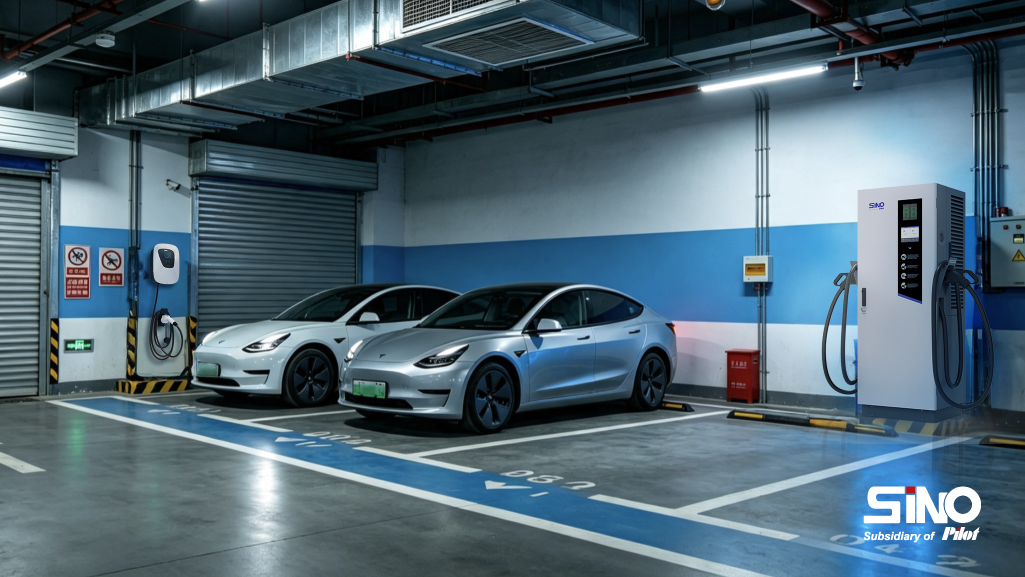
As an EV charging infrastructure supplier that has seen dozens of subway parking retrofit projects, I know parking operators face unique risks when rolling out subway parking lot EV charging installations. Usually, they are located in basements; the design is more complex than an outdoor charging area. Here I’ll break down every non-negotiable rule with clear, actionable standards you can hand straight to your install team and EV charger manufacturers.
Why Subway Parking Lots Are Ideal for EV Charging Installation
Most parking lot operators will hesitate to add charging at first glance, as there are lots of issues to be solved and it is hard for them to ensure the ROI meets their expectations. But consistent ROI for every lot that follows proper subway parking lot EV charging installation rules. And the enclosed, centralized layout solves two huge pain points for commercial charging businesses.
Steady User Demand Boosts Long-Term Revenue
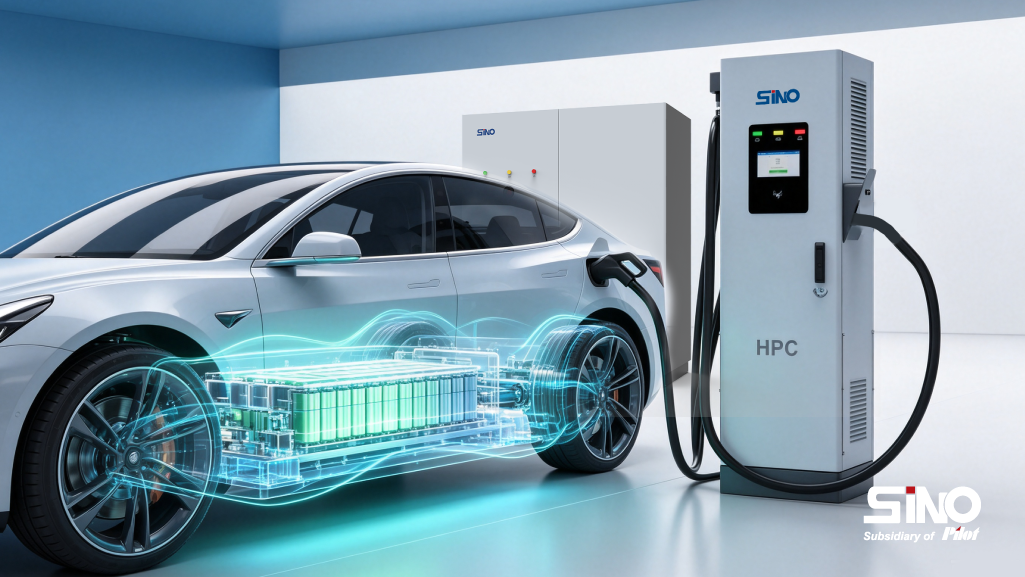
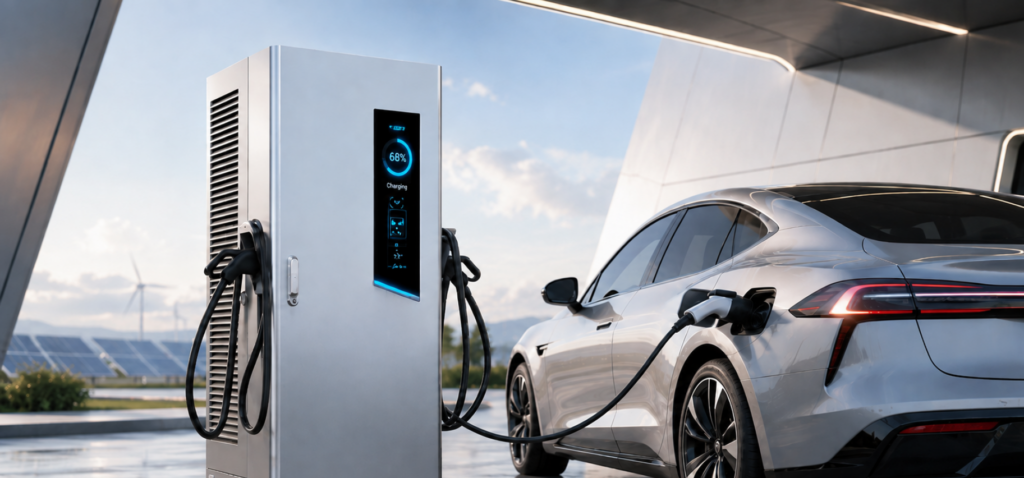
As drivers rely on subway/metro lots for daily commuting, shopping, and office parking, EV chargers here see constant, repeatable use. Those surface lots face weather shutdowns and scattered foot traffic, but subway spaces can operate year-round. Operators can mix AC EV charger units for overnight parkers and small DC EV charger stations for quick top-ups. Reputable EV charger manufacturers in China, such as Sino Energy, build dual-purpose hardware that supports both slow and fast charging modes, so you don’t waste space on single-function equipment. This mixed layout maximizes charging session volume without overwhelming your building systems.
Controlled Enclosed Space Simplifies Centralized Management
Subway walls, drainage, and utility conduits can group all charging hardware into dedicated zones. Unlike scattered surface charging spots, a consolidated subway charging block cuts maintenance time by nearly half. You run unified cable routes, install shared fire suppression gear, and monitor every AC EV charger and DC EV fast charging station from one cloud dashboard. Operators can also reserve a single subway bay for all charging equipment—this grouping makes fire separation and ventilation upgrades far cheaper than retrofitting chargers spread across random parking bays.
Mandatory Ventilation Standards for Safe Subway Parking Lot EV Charging Installation
Ventilation is usually the single most overlooked step in subway parking lot EV charging installation, and it’s the top failure point during fire marshal audits. Lithium battery thermal runaway will release toxic, flammable gas that pools low to the ground in stagnant basements; poor ventilation will turn minor charging faults into life-threatening hazards.
Mechanical Ventilation Air Change Rate Minimums
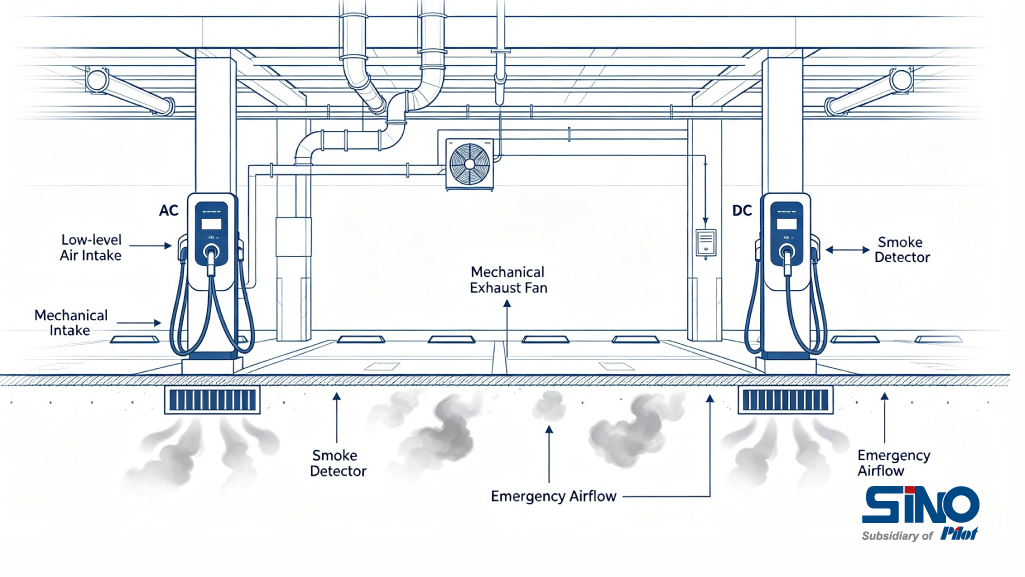
Natural ventilation never meets code for subway EV charging zones. It’s better to follow global and domestic standards that require mechanical ventilation systems with a minimum of 6 air changes per hour during normal charging operations, and 10 air changes per hour during fire detection events. For lots installing high-power DC EV fast charging station units, this requirement can be bumped to 8 hourly air exchanges under regular use—fast charging generates far more waste heat than standard AC EV charger hardware.
When you coordinate with EV charger manufacturers, ask them to share thermal output data for each model; this data can help your HVAC engineer size ventilation fans to match your exact charging load. I always warn operators against reusing the lot’s old general parking ventilation system—those older units lack the airflow capacity for concentrated EV charging heat and gas buildup.
Ventilation Linkage with EV Fire Alarm Systems
Your ventilation system must be wired to all smoke and heat detectors near EV chargers. When alarms activate, fans can immediately run at full emergency speed to exhaust harmful gas. Some contractors skip this wiring to save money, leading to charging area shutdowns. Trusted chargers have built-in sensors for automatic safety control. I recommend adding low-level air intake vents near charging bays, as battery fire gases sink close to the concrete floor; high-mounted vents alone cannot clear this dangerous buildup.
Fire Separation & Compartment Rules for subway EV Charging Zones
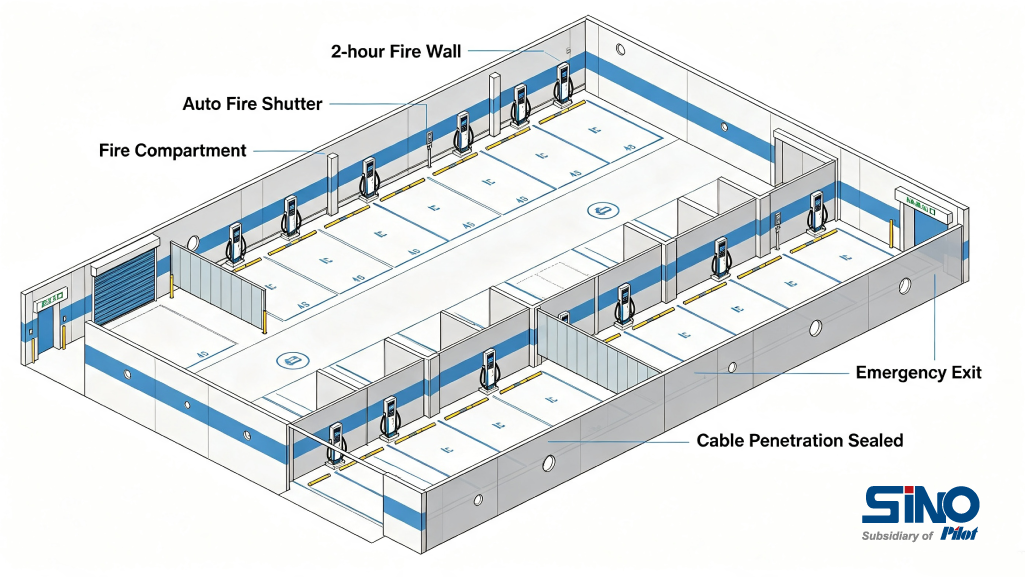
Fire separation creates physical barriers that stop EV battery fires from spreading to regular parking areas, stairwells, or building electrical rooms. Every subway parking lot EV charging installation project must map out independent fire units before any AC EV charger or DC EV fast charging station gets mounted.
Independent Fire Unit Partition Requirements
All subway EV charging equipment must be housed in sealed fire compartments with 2-hour fire walls and auto fire shutters. One compartment covers a maximum of 1,000 m² with up to 18 charging bays. EV and petrol vehicle bays cannot share a compartment. Cable penetrations through fire walls need fireproof sealing. Every compartment needs two separate emergency exit paths, with clear, unobstructed walkways that never block charging cable routing.
Power Restrictions for AC EV Charger vs DC EV Fast Charging Station subway
Code sets strict power limits based on which subway floor you install charging hardware. Deep basements (levels -3 and below) cannot host any DC EV fast charging station units, no matter their power output—only low-power AC EV charger hardware under 22kW passes inspection here. Subway level -1 (closest to street exits) allows full DC fast charging setups up to 480KW cluster systems from trusted EV charger manufacturers like Sino Energy, but these high-power DC EV fast charging station banks need expanded fire compartments and upgraded ventilation. I always advise operators to place all fast-charging DC hardware on the first subway level near vehicle ramps; this gives fire crews quick access if a battery incident occurs. If your lot sits on level -2 only, stick entirely to AC EV charger units to avoid costly structural and ventilation overhauls.
Load Balancing & Electrical Compliance for Subway EV Charging Installation
Subway buildings almost always have outdated main electrical panels that cannot handle unregulated EV charging draw. Load balancing stops grid overload, tripped breakers, and permanent damage to your AC EV charger and DC EV fast charging station hardware during subway parking lot EV charging installation.
Grid Capacity Calculation Before Ordering from EV Charger Manufacturers
Before you sign a purchase order with EV charger manufacturers, hire a certified electrical engineer to run a full grid load audit of your subway lot’s main transformer and distribution panels. Each AC EV charger draws 7kW–22kW, while a single DC EV fast charging station can pull 60kW to 240kW. If your existing transformer lacks spare capacity, you will face mandatory upgrades before any EV charging installation proceeds. A shopping mall parking operator who ordered 12 DC fast chargers without a capacity audit; their main transformer failed within a week of activation, shutting down the entire subway lot for 10 days. EV charger manufacturers offer free pre-sales load assessment tools to help you tally total power draw for mixed charger fleets—always use this resource to avoid expensive electrical rework.
Smart Load Management for Mixed AC & DC EV Charger Layouts
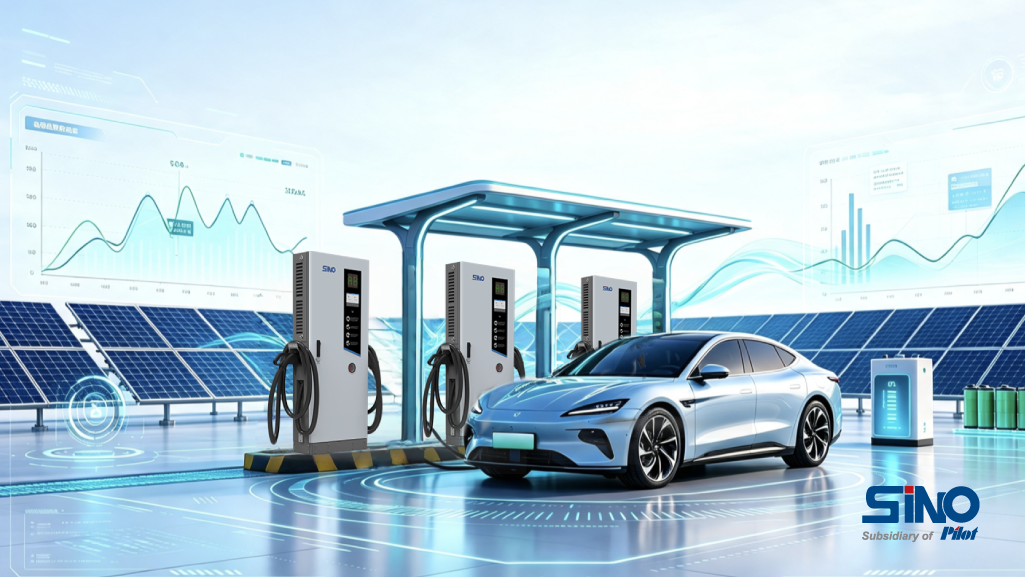
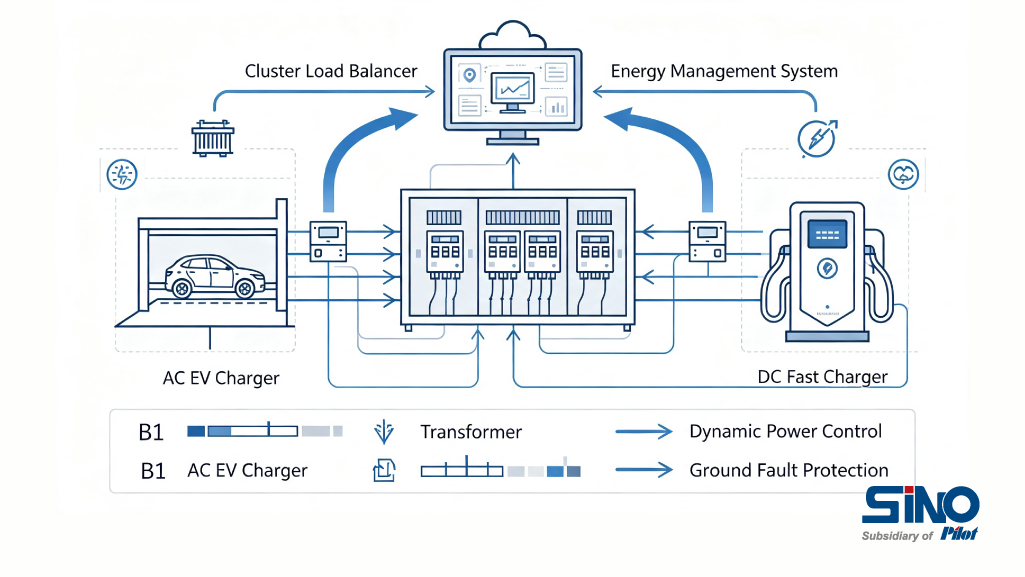
Even if your grid meets total capacity limits, simultaneous charging sessions will overload circuits without intelligent load balancing hardware. Modern EV charger manufacturers build dynamic load management directly into their AC EV charger and DC EV fast charging station units. This system automatically throttles power to individual chargers during peak parking hours, so your main panel never hits its maximum amp threshold.
For subway lots with more than 10 charging points, it is recommended to centralize cluster load balancers that sync every charging unit across the fire compartment. Manual power limiting (turning chargers off during busy hours) hurts customer satisfaction; smart balancing keeps all chargers live while staying safely under grid limits. All wiring for subway EV charging installation must use flame-retardant B1-grade copper cable, with dedicated ground fault protection for every AC EV charger and DC EV fast charging station circuit.