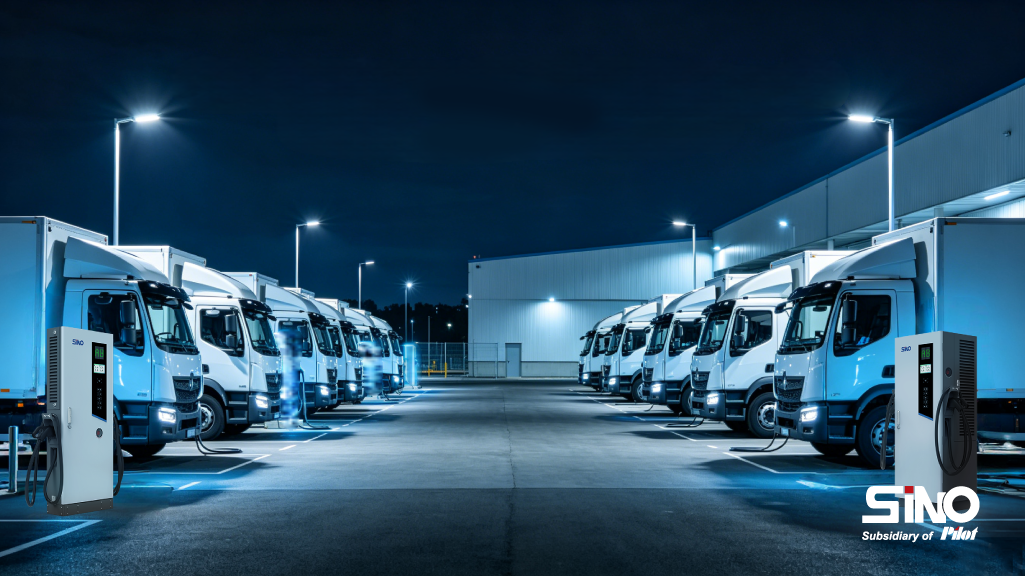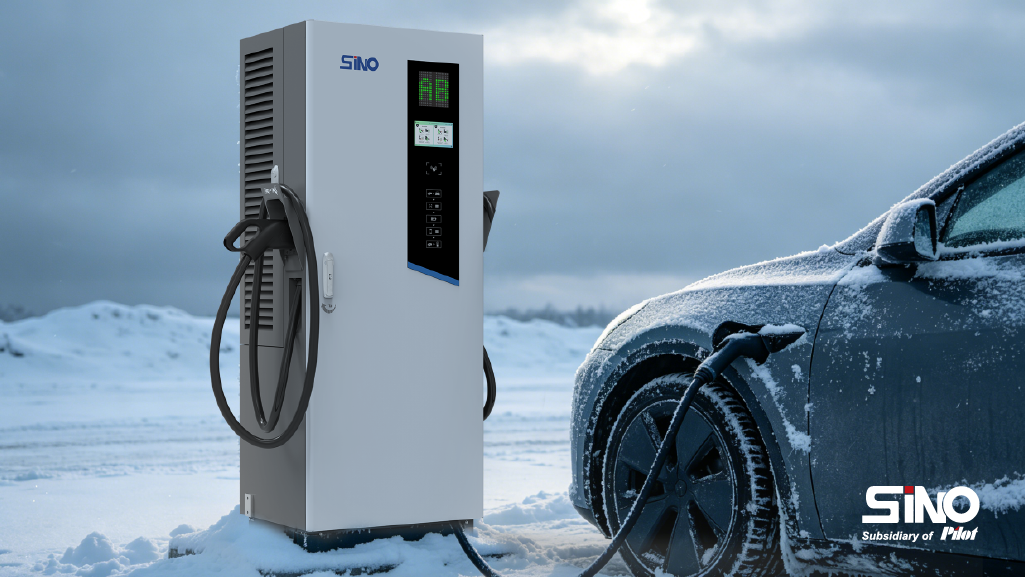



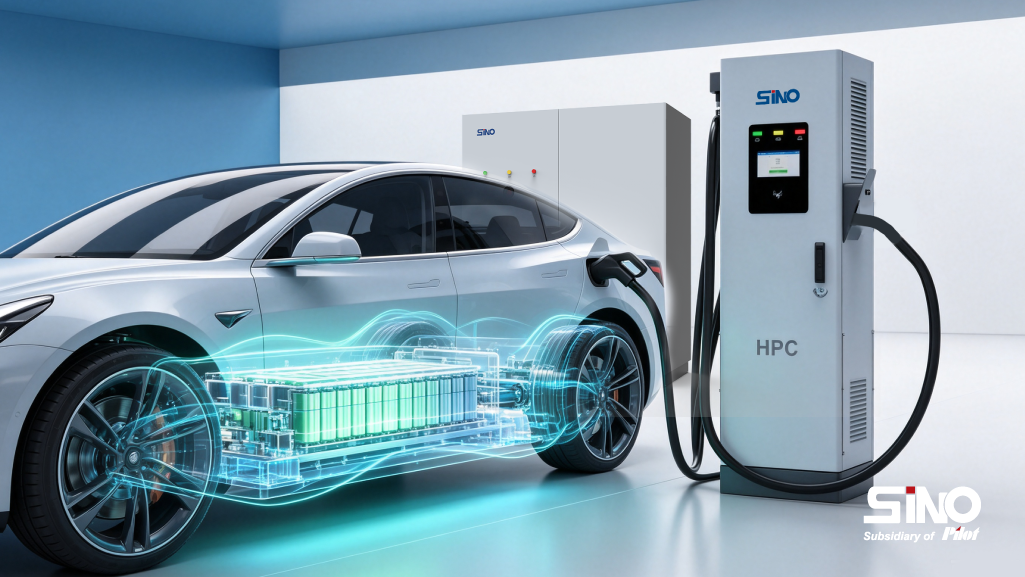
If you drive an EV or run fleet and truck charging stations, you know this dilemma. Most EV owners hate the long waiting times for using an EV charger, so they tend to seek ultra-fast charging. But EV drivers also fear repeated high-power sessions will wear their battery down fast. I dig into this topic today, and I share how smart charging curve design can solve this conflict.
The Real Risk of Ultra-Fast Charging for EV Battery Health
Why raw high-power output triggers battery wear
Ultra-fast charging delivers massive electric current into lithium-ion cells within a short period. However, if you force too much current without intelligent adjustment, lithium plating will form on the anode surfaces. In turn, this plating permanently reduces usable battery capacity over repeated charging cycles. Despite this, I’ve noticed many EV owners hold the misconception that “higher kW always means better charging performance”; however, this assumption is wrong.
A fixed maximum-power charging profile outputs full electric current indiscriminately, without accounting for battery temperature, state of charge, or cell degradation over time. As a result, this aggressive charging setting generates extra internal heat and mechanical stress within lithium-ion cells. Even high-end EV batteries suffer accelerated capacity degradation when subjected to unregulated maximum-power ultra-fast charging on a daily basis. This issue poses more severe challenges for fleet operators. Specifically, if an entire truck fleet relies on poorly calibrated DC EV chargers, operators will face higher battery replacement costs across the fleet.
What does a bad charging curve look like?
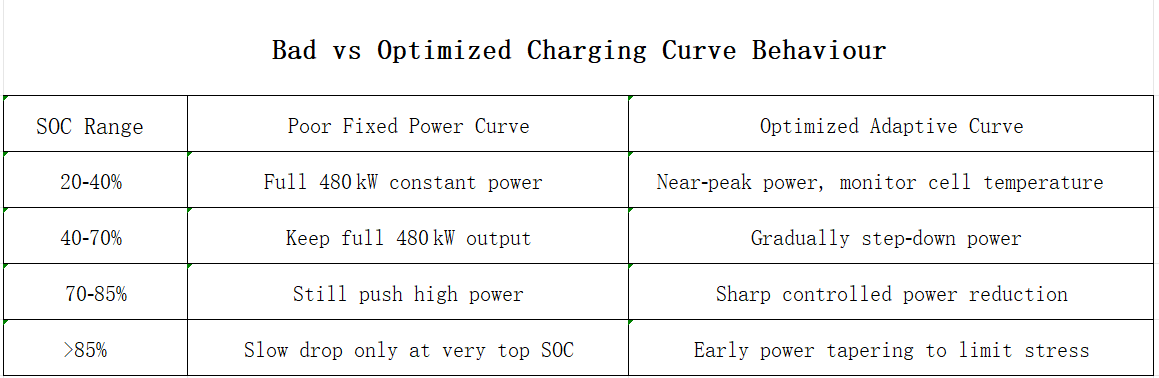
With a poor curve, power stays near maximum deep into high SOC zones. That creates heavy lithium-plating risk. An optimized curve keeps high power only in safe lower-mid SOC ranges. It scales power down actively as SOC climbs. I always tell station operators: the hardware rating of a DC EV ultra-fast charging station tells only half the story. Its charging curve algorithm defines real long-term battery impact.
Optimized Charging Curves: How They Balance Speed and Battery Life
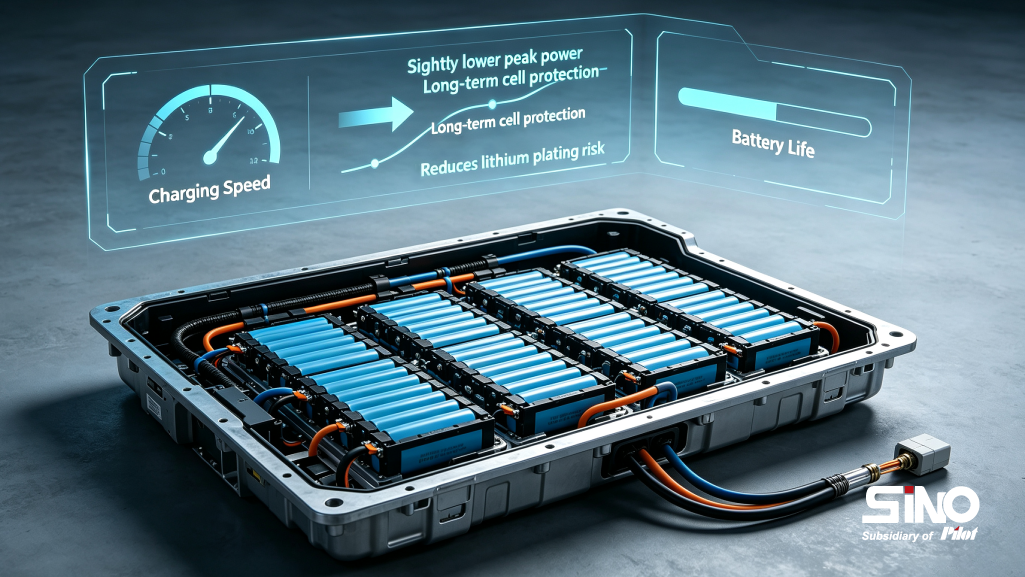
Dynamic power adjustment matches real–time BMS battery feedback
Modern DC EV chargers maintain continuous communication with a vehicle’s battery management system (BMS), as they actively retrieve real-time data covering cell temperature, current state of charge (SOC), and internal impedance. An optimized charging curve leverages this live data to dynamically adjust output power on a second-by-second basis. Importantly, this is not merely a set of pre-programmed fixed charging steps; instead, it represents genuine real-time adaptive modulation.
For instance, when the battery is cold or has already reached 75% SOC, the charger will proactively reduce its power output, even if the hardware is technically capable of delivering 480 kW. While this approach involves a minor compromise in charging power, it provides substantial long-term protection for the battery. In detail, it only results in a negligible drop in charging speed yet effectively slows down battery degradation to a remarkable degree. Ultimately, well-designed charging curve logic adheres to the physical limits of batteries, rather than blindly pursuing peak power figures for marketing purposes.
How the 480 kW DC EV ultra-fast charging station handles curve adaptation
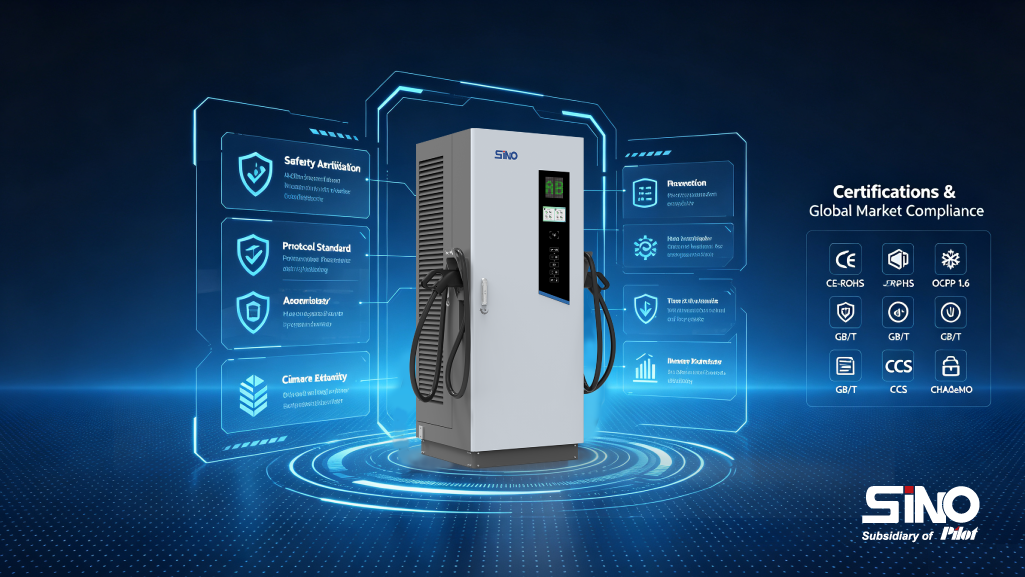
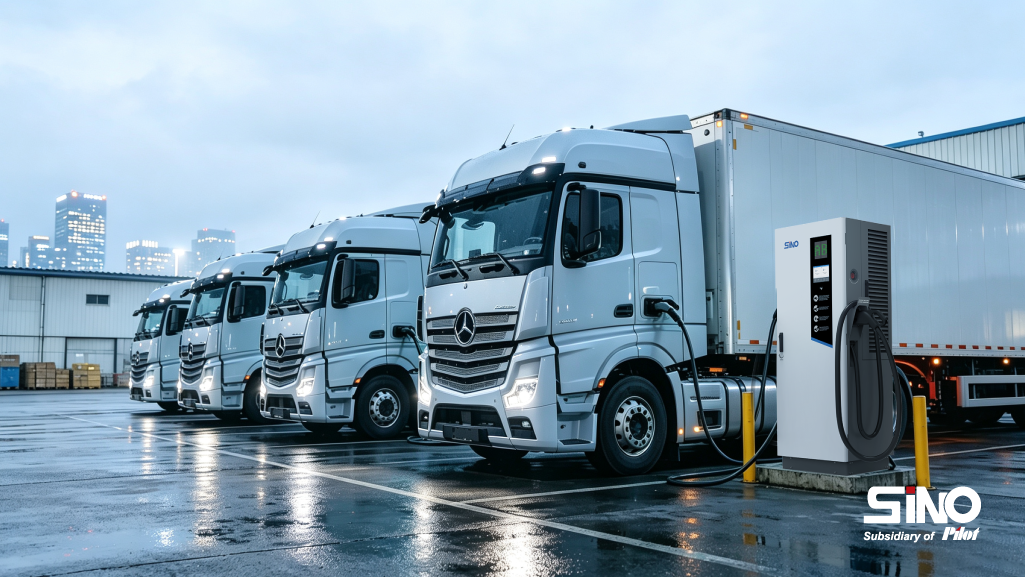
The PEVC3302E 480 kW unit from Sino Energy can serve as a real-world example. This DC EV ultra-fast charging station supports dynamic power distribution and deep BMS data exchange, so it builds adaptive charging curves for connected vehicles. It does not force full 480 kW onto every EV that plugs in.
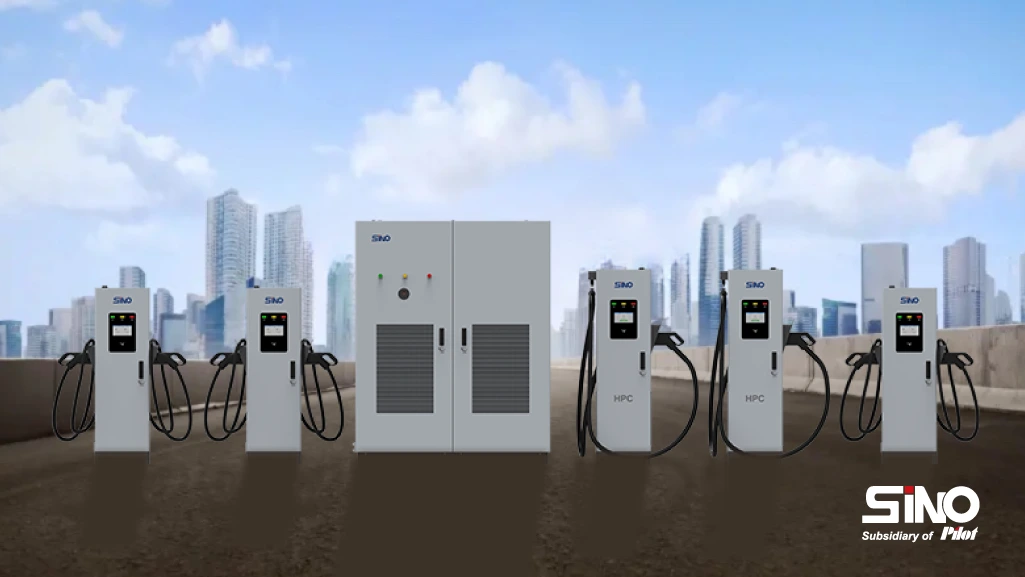
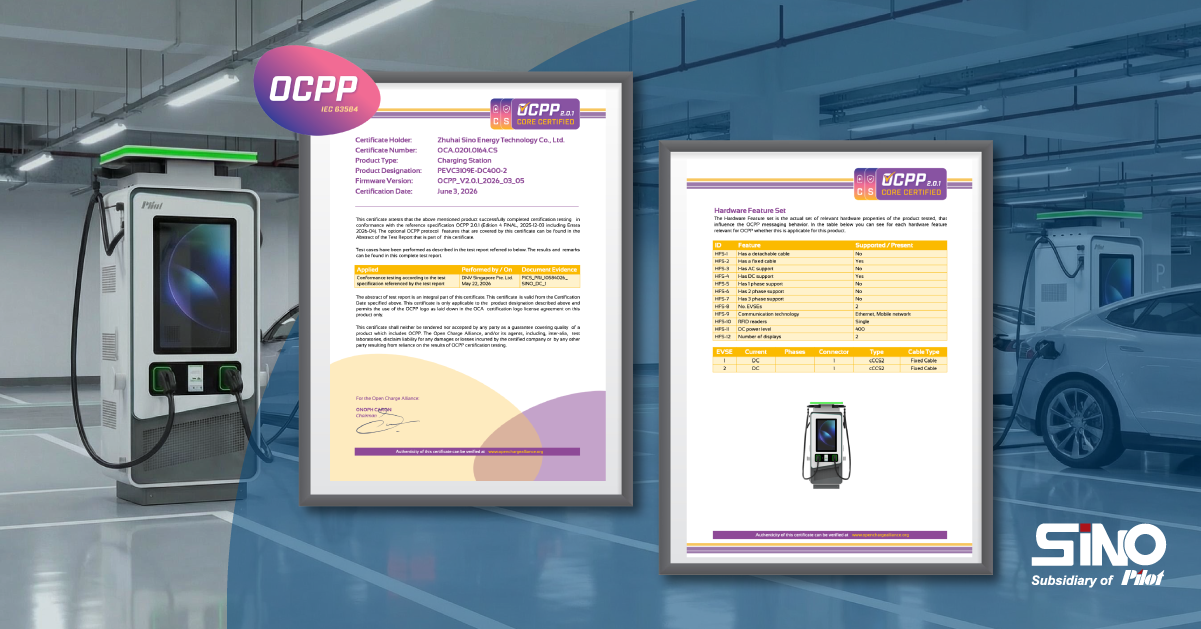
This hardware can deliver up to 480 kW peak output, yet it scales power back automatically when vehicle BMS signals stress conditions. It supports multiple connectors and OCPP backend communication, so fleet site operators get consistent curve behaviour across all charging ports. Many EV charger manufacturers sell high-kW hardware without mature adaptive curve logic. That gap explains why identical rated stations produce very different battery wear outcomes for drivers. If you run a public or depot site, you need to evaluate charging software as carefully as you evaluate hardware specs.
Practical Tips for EV Drivers & Fleet / Truck Station Operators
Best daily habits when you use ultra–fast charging
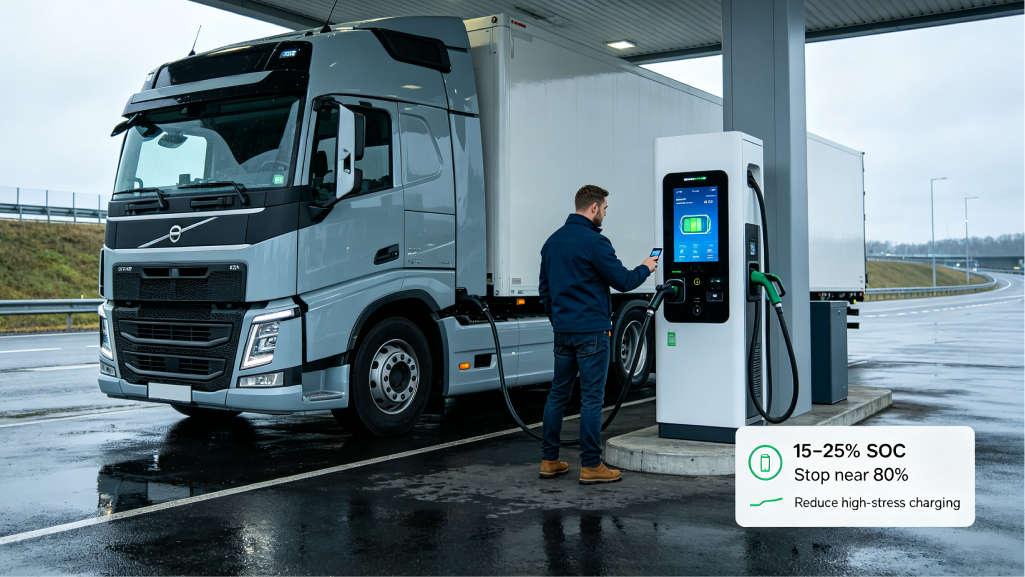
EV drivers cannot completely avoid ultra-fast charging as it exists for convenience. But they can also set simple personal rules. First, try to start ultra-fast charging when your battery sits between 15 and 25% SOC. Second, stop charging around 80% for most routine trips; thus, you skip the high-stress top SOC charging segment.
Watch battery temperature in extreme weather. If your car reports a very cold battery temperature, give it pre-conditioning time before you start ultra-fast charging. Cold cells accept high-power very poorly, and lithium-plating risk jumps sharply. If you follow these small habits, you keep ultra-fast convenience and limit unnecessary degradation.
Site–level advice for operators choosing EV charger manufacturers
If you purchase chargers for truck depots or public charging stations, look past just kW numbers when you compare EV charger manufacturers. Ask vendors detailed questions about their adaptive charging curve implementation. Confirm the charger respects BMS limits and supports dynamic power throttling.
The 480 kW PEVC3302E solution from Sino Energy works well for high-throughput fleet sites. It delivers peak power for capable vehicles, and it applies adaptive curve logic to protect varied EV models. Remember: your station reputation partly depends on how gently your DC EV chargers treat visitor vehicle batteries. Bad charging experiences drive customers away over time.
Conclusion
Ultra-fast charging does not have to equal rapid battery degradation, as the core difference lies in charging curve design. High power charging equipment like a 480 kW DC EV ultra-fast charging station brings huge convenience for EV drivers and fleet operators. Yet real-world benefit only appears when the charger uses smart adaptive logic to match battery physical limits.
FAQ
Q: Does every 480 kW charger damage EV batteries?
A: No. Damage depends mostly on the charging curve algorithm and vehicle conditions.
Q: Can I use ultra fast charging every day for my commute?
A: You can, but keep the charging window within 20 to 80% SOC to lower wear risk.
Q: Will vehicle BMS alone fully protect my battery at ultra-fast stations?
A: BMS helps, but the station’s charging curve logic also plays a major role.
Q: What should I ask vendors when buying a DC EV ultra-fast charging station?
A: Ask for details on adaptive charging curve and BMS interaction implementation.